When Regulators Become the Risk
When the institution meant to keep unsafe products off the shelves is itself drawn into an investigation, citizens deserve answers—
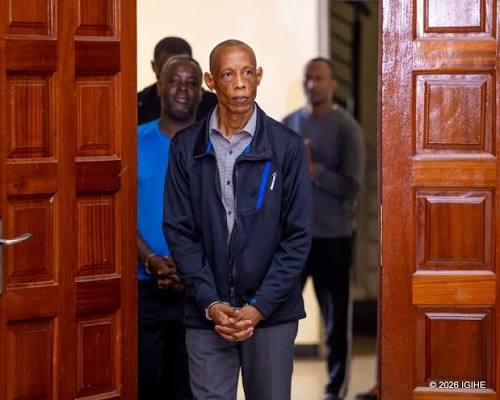
Rwanda’s public has been asked to trust the Rwanda Food and Drugs Authority with a mission that goes to the heart of everyday safety: ensuring products sold for consumption meet legal health and quality standards. Yet Prof. Émile Bienvenu, the authority’s Director General, is now among the suspects arrested in an investigation into the alleged production and distribution of non-compliant alcoholic beverages.
#PublicTrust | #FoodSafety
The Fall of a Drug Czar Who Partied With Europe's Most Wanted
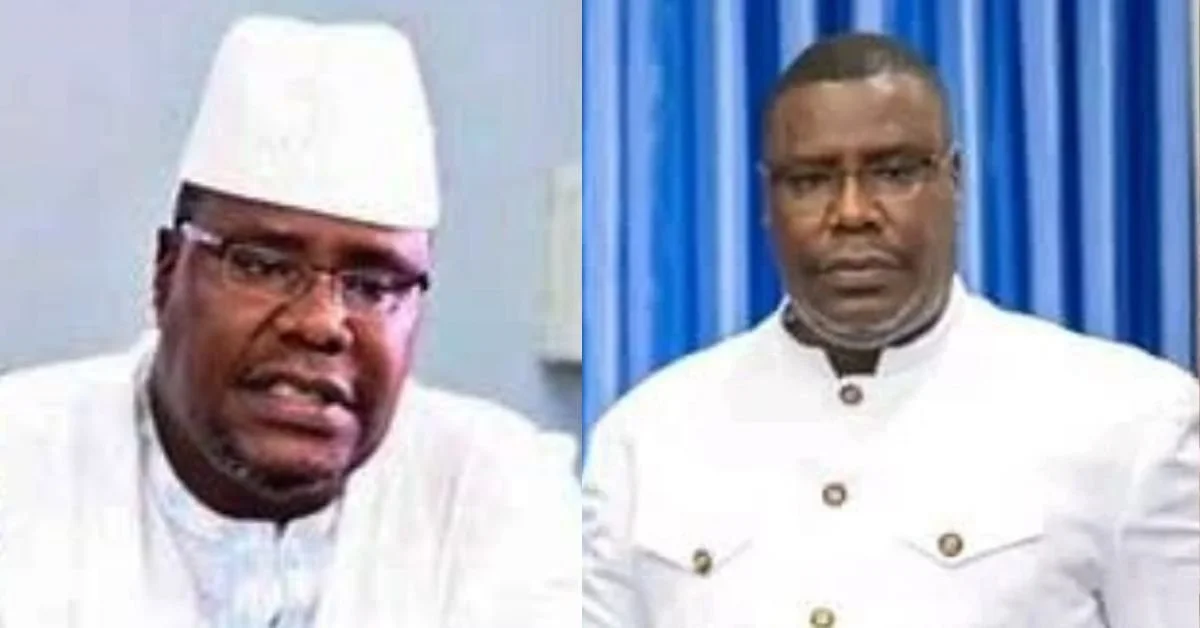
Andrew Jaiah Kaikai was the Executive Director of Sierra Leone's National Drug Law Enforcement Agency (NDLEA-SL).
Andrew Jaiah Kaikai spent years positioning himself as Sierra Leone's frontline warrior against narcotics — the man tasked with saving a nation being hollowed out by Kush addiction. It turns out the same man was comfortable enough in the orbit of Jos Leijdekkers, one of Europe's most wanted drug traffickers, to be photographed observing him hand out gifts at a private birthday party. That contradiction finally caught up with him on August 11, 2026, when President Julius Maada Bio fired him as Executive Director of the National Drug Law Enforcement Agency.
#AndrewJaiahKaikai | #TheFallOfADrug-Czar
Air Sierra Leone Set for Comeback as Flights Resume After Industry Shake-Up
In a positive development, Air Sierra Leone has announced that its flights from Freetown to London and Banjul will resume in October 2026, signaling a renewed commitment to regional and international connectivity.
The Official Press Release:
#FlyAirSierraLeone | #Freetown-Banjul-London
Africa’s Riches, God’s Trust, and the Tragedy of Misused Wealth
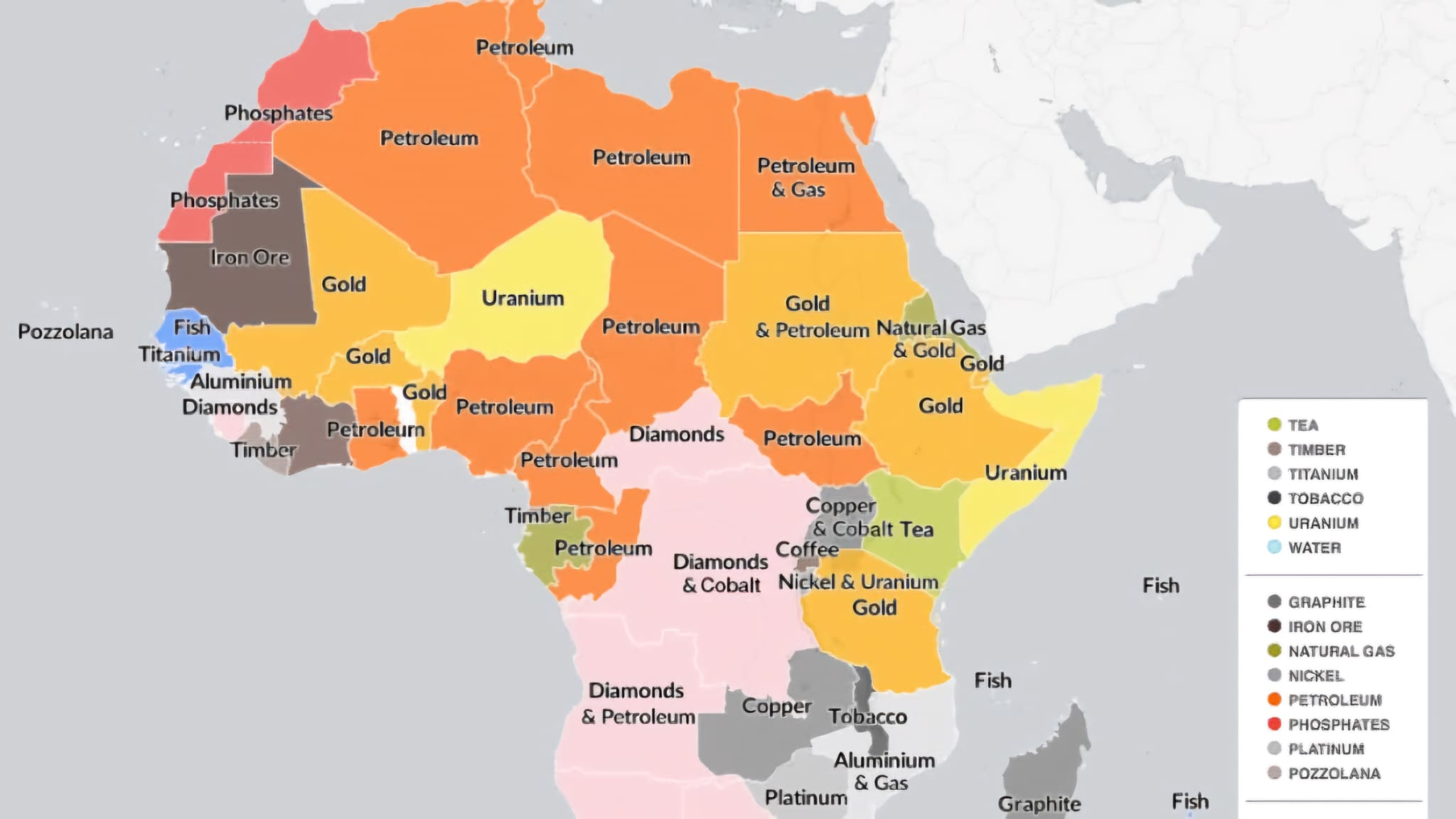
This article challenges the common narrative of Africa as a poor continent, arguing instead that it is richly endowed with natural and human resources. It explores the troubling gap between this abundance and the persistent hardship faced by many Africans, pointing to corruption, weak governance, and mismanagement as key factors. Drawing on biblical principles, the piece emphasizes that true national prosperity depends not just on resources, but on ethical, accountable leadership. It calls for a renewed sense of responsibility among leaders and citizens alike, urging a future where Africa’s wealth is used to create opportunity, justice, and shared prosperity for all.
#AccountabilityMatters | #AfricaRising
Africa’s Cocaine Shame
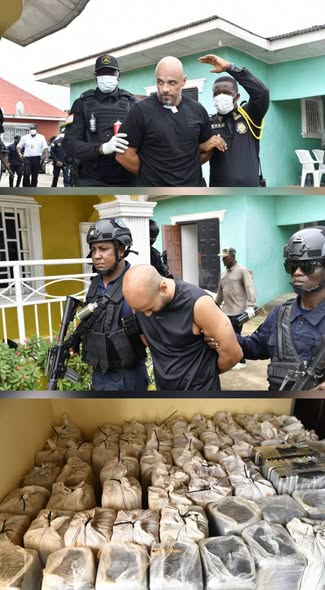
Duazon, Liberia: A joint security operation raided a stash house in Duazon, about 20 km east of Monrovia, and arrested two foreigners, a Colombian and a Spanish national, plus several Liberians. Police say the haul is the largest drug bust in Liberia’s history, with an estimated street value of over $370 million in cocaine. The operation followed a separate seizure at Roberts International Airport of about 237.6 kg of cocaine valued around $19.2 million that was falsely declared as other goods. Liberian police chief Gregory Coleman described it as the result of a long-running investigation into trafficking networks. Still, he did not name Leijdekkers or tie the operation to a specific foreign kingpin.
#CocaineCorridor | #NarcoticsTrafficking

Traoré’s Education Gambit Sends a Clear Message: Build, Don’t Just Write
In Ouahigouya on July 16, 2026, Ibrahim Traoré drew a hard line: Burkina Faso’s students must build, create, and solve—not just write. He urged young people to use the internet, turn knowledge into practical action, and produce tangible results in technical fields, especially engineering, rather than bury themselves in theory-heavy papers. The message, stark and forceful, has since exploded across social media as a challenge to an education system too often judged by pages written instead of problems solved.
The focus of the country’s educational system will shift entirely towards STEM to meet the demands of modern development.
#IbrahimTraore | #PracticalEducation
Jamaica Opens Visa‑Free Travel to Sierra Leoneans
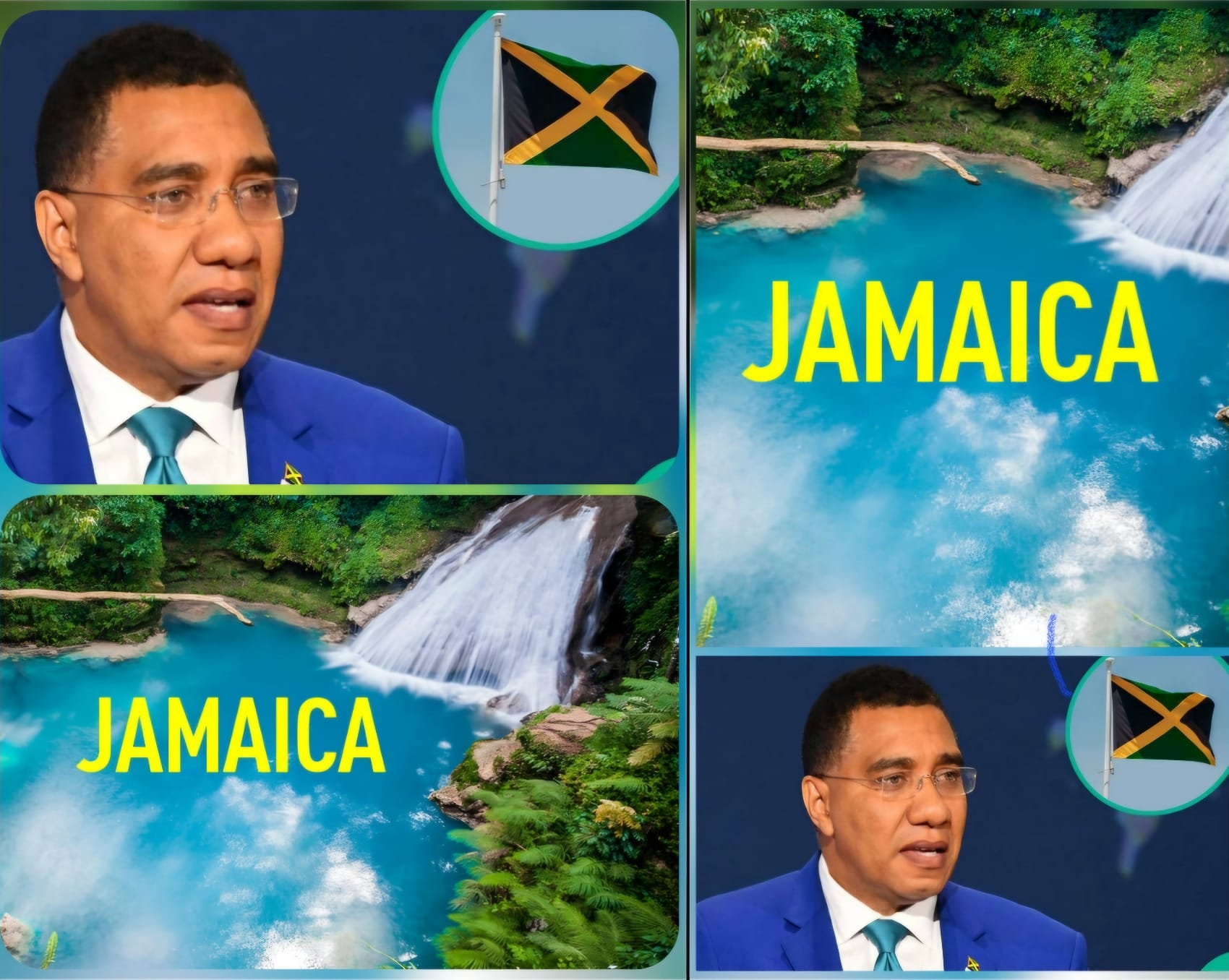
Jamaica has officially granted visa‑free entry to citizens of 17 African nations, including Sierra Leone, with the exemption focused largely on countries that share Commonwealth ties. The eligible countries are Botswana, Eswatini, The Gambia, Ghana, Kenya, Lesotho, Malawi, Mauritius, Mozambique, Namibia, Seychelles, Sierra Leone, South Africa, Tanzania, Uganda, Zambia and Zimbabwe. While travelers from these countries do not need a visa, they must still meet Jamaica’s standard entry requirements, such as holding a valid passport, providing proof of return travel and showing adequate funds. Specific requirements for each nationality can be verified on the Jamaica Passport, Immigration and Citizenship Agency (PICA) portal.
#Jamaica | # Visa‑Free-Travel

The Wedding That Defined Krio Society—and the Mystery That Followed
Unlike many stories handed down through oral tradition alone, the extraordinary scale of this wedding is supported by historical accounts. Biographer Professor C. Magbaily Fyle records that John Henry Malamah Thomas spared no expense. So many visitors travelled to Freetown that he reportedly rented nearly half the houses on East Street to accommodate guests. Relatives, friends, and dignitaries arrived from across the colony, while visitors from surrounding villages poured into the capital. The celebrations became so extensive that commercial activity in Freetown virtually came to a standstill for several days before the wedding.
—Historical context appended.

Access, Arrogance, and the Illusion of Immunity
Admire Bio and Dauzy Jalloh's court appearance on fraud and embezzlement. Let’s stop pretending this is shocking. It isn’t. It’s predictable. Proximity to power has become a marketplace, and too many people walk into it not to serve—but to extract. Access is no longer treated as a responsibility; it is treated as an opportunity. Opportunity to cut corners, manipulate systems, and turn influence into cash, assuming no one will dare to challenge it.
That’s the rot. Not just the alleged fraud itself, but the mindset behind it—the quiet, dangerous belief that being close to power makes you untouchable. That rules are flexible if you know the right people. That consequences are optional, negotiable, or at worst, temporary.
#CorruptionCulture | #GreedExposed

FIFA’s Politicized Farce
The 2026 World Cup is no longer just football. It is a political theatre piece dressed up as sport, distorted by power, money, and a governing body that has surrendered its spine. FIFA still talks the language of neutrality, but neutrality has become a cover for weakness. When the World Cup becomes a playground for power, the game is not being celebrated — it is being lost. Football is no longer the point.
#ProtectTheGame | #FIFACorruption

Sierra Leoneans Are Suffocating Under Low Incomes—The Bio SLPP Administration’s Insulting Comparisons Mask a Brutal Reality
This government has become addicted to comparison as a shield for failure. Instead of confronting the reality of low incomes, chronic unemployment, collapsing purchasing power, and relentless price pressure, it hides behind regional rankings as though citizens should be grateful for being less miserable than someone else.
The tone of this leadership has shifted from negligence to outright contempt. Maada Bio’s own presidential spokesman, Alpha Kanu, has declared that hunger and starvation are part of “African culture.” This is not a policy mistake; it is a moral atrocity. It is a statement that dehumanizes millions, as though suffering is inherent to identity rather than a failure of governance. When those in power normalize starvation as a cultural destiny, they reveal a leadership that does not see citizens as people to be protected, but as disposable subjects to be managed.
#StarvationIsNotCulture | #SuffocatingUnderSLPP
Jeffrey Sachs Warns Africa’s Leaders: Unite Now or Risk Falling Behind
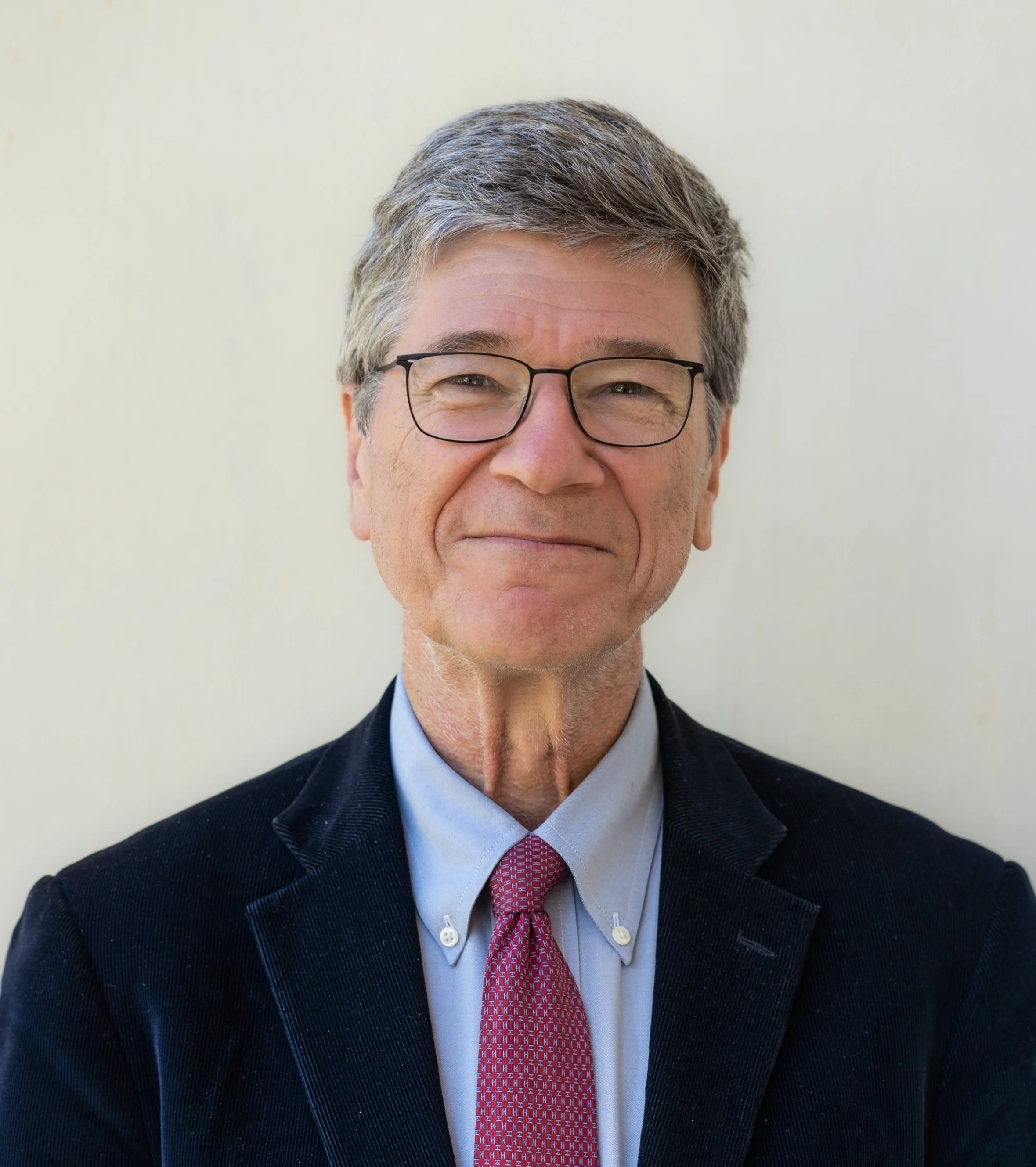
Sachs urges African leaders to unite before the window closes. His central point is straightforward. Africa’s political and economic fragmentation weakens its ability to build the infrastructure, markets, and institutions needed for sustained growth. Instead of treating development as a country-by-country project, Sachs advocates a continental approach built on cooperation, scale, and a shared strategy.
The angle is timely, the argument is clear, and the broader policy implications are substantial: Africa’s future may depend less on isolated success stories than on whether its leaders can finally act as a bloc.
#JeffreySachs | #PanAfricanism

Cambridge Cancels Fatima Bio After FGM Fury
FGM is a recognised violation of the human rights of women and girls. It involves the cutting of healthy genital tissue and can result in severe pain, lifelong physical complications, psychological trauma, childbirth complications, and, in some cases, death. More than 230 million women and girls worldwide are living with the consequences of FGM, while research suggests that tens of thousands of girls may die each year from its direct and indirect effects. Sierra Leone remains one of the countries with the highest prevalence of FGM in the world—the double-talk.
The decision to provide a prestigious platform to a political figure who appears unwilling to oppose FGM unequivocally sends a deeply troubling message.
#FGM | #FatimaBio
A State That Has Failed Its People: Nigeria’s Security Collapse and a Nation on the Streets
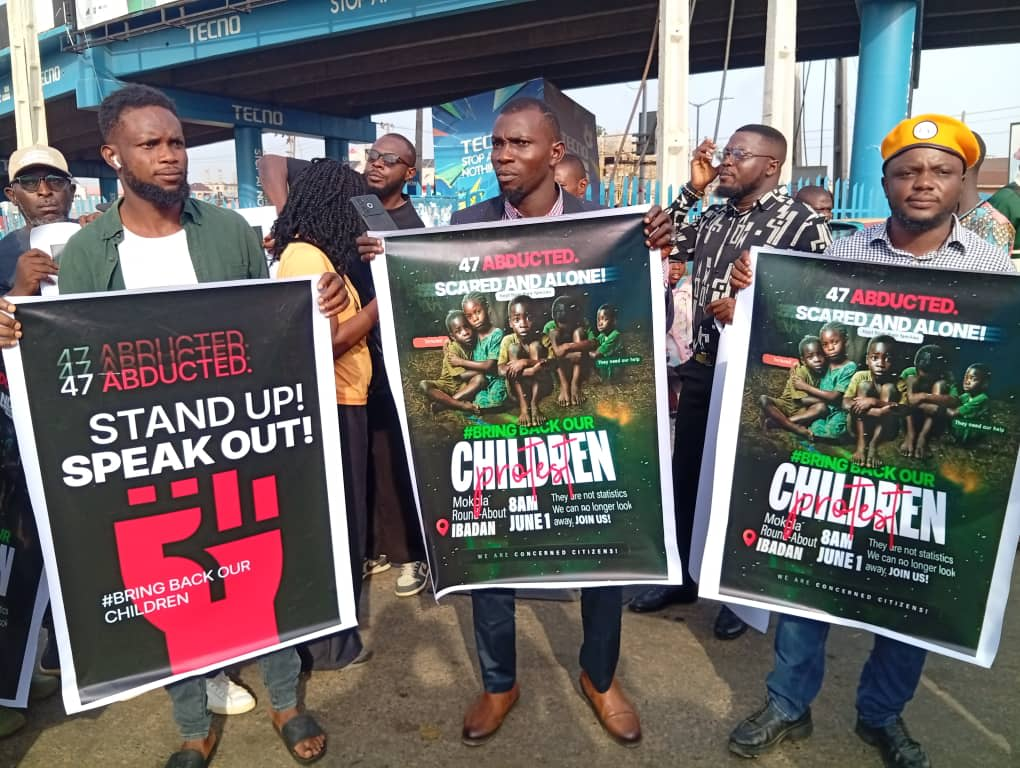
Nigeria is bleeding not from war alone, but from the slow, suffocating death of a government that has abandoned its most sacred duty: protecting its people. For years, the nation has been hammered by a relentless wave of kidnappings, banditry, terrorism, and school abductions. Today, the outrage has boiled over. Teachers, students, parents, and ordinary citizens have taken to the streets in Lagos, Abuja, Ibadan, Abeokuta, Oyo, Ogun, Delta, Kwara, and Cross River states, chanting one demand that cannot be ignored: Bring Back Our Students.
Protesters say kidnappings have become an “economy for the elite.” They make money from ransom. They profit from terror.
#BringBackOurStudents | #EndNigeriaKidnappings

U.S. Visa ‘Hub’ Policy Will Reshape Access Across Africa—and Not Quietly
A sweeping consolidation of visa services forces applicants to cross borders, raising costs, barriers, and questions about fairness.
The United States is moving ahead with a sweeping overhaul of its visa processing system in Africa, and the consequences will be immediate, uneven, and deeply felt. Sierra Leone is a clear example. The U.S. Embassy in Freetown will remain open, but it will no longer process visas. Applicants will now be forced to travel to one of the designated hubs, adding cost, uncertainty, and bureaucracy to an already demanding process.
#USVisaPolicy | #AfricaTravel

Today’s Champions League Winners: Qatar and Emirates - See Why
“Your club is surviving,” came the voice from Doha. “And yours is struggling,” the Dubai leader replied. “But no matter who wins tonight, the Middle East already won.”
The Emir of Qatar leaned back in his chair in the Middle Eastern city of Doha, the giant screen before him glowing with the colors of Paris Saint-Germain. Across the pitch in Budapest, Arsenal players in red and white carried the unmistakable name of Emirates across their chests. Two clubs. Two of Europe’s biggest football institutions. Two Middle Eastern airlines are at the center of the spectacle.
#Paris-Saint-Germain | #Arsenal

Cocaine Republic?
Why are some of the world’s biggest cocaine trafficking operations repeatedly connected to Sierra Leone? That is now the question damaging the nation internationally. And the silence surrounding it is becoming more dangerous than the allegations themselves.
Transnational drug cartels do not gamble billions of dollars on weak logistics. They study states carefully, they identify vulnerable ports, compromised systems, weak maritime surveillance, porous intelligence networks, politically connected fixers, corrupt facilitators, and countries where accountability is weak enough for operations to move quietly. That is how narco networks operate globally.
#NarcoticsTrafficking | #SierraLeone

AFRICOM Warns West African Cocaine Trade Is Fueling Terror Financing, as Spain Seizes Record 30‑Plus Tons
AFRICOM has warned that the expanding cocaine trade through West Africa is increasingly funding terrorist groups, underscoring a deepening link between organized crime and regional instability. This warning comes alongside a major development in Europe, where Spanish authorities have seized what may be the largest maritime cocaine shipment in history. Sierra Leone’s role in the trafficking corridor.
#AFRICOM | #NarcoticsTrafficking

Sovereignty for Sale, Terms and Conditions Apply
When a nation masters the art of seeing only what the contract pays for.
In a bold display of strategic brilliance—or perhaps an advanced experiment in selective vision—Sierra Leone has reportedly agreed to accept non-citizen deportees from the United States under a neatly packaged arrangement: up to 300 individuals a year, conveniently portioned at 25 per month, like a subscription box nobody ordered but everyone must pretend is a gift. But let us not dwell on complexities. That would spoil the elegance of the arrangement.
#DiplomacyOrDeal | #SovereigntyForSale

Europe’s Migration Turn: Two Deals, One Hard Truth
Europe’s migration policy is tightening on two parallel tracks. The EU Pact on Migration and Asylum, adopted in 2024 and set to take full effect on 12 June 2026, overhauls how member states screen arrivals, process asylum claims, and manage returns. It introduces standardized border procedures, faster decisions for clear‑cut cases, and a new solidarity mechanism designed to share the burden more evenly across the bloc.
#Europe | #MigrationCrisis