The Fall of a Drug Czar Who Partied With Europe's Most Wanted
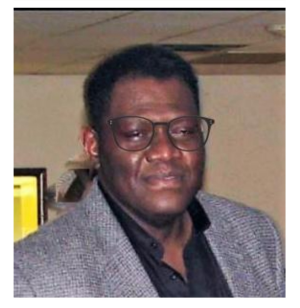
Andrew Jaiah Kaikai, the Executive Director of Sierra Leone's National Drug Law Enforcement Agency (NDLEA-SL).
Andrew Jaiah Kaikai spent years positioning himself as Sierra Leone's frontline warrior against narcotics — the man tasked with saving a nation being hollowed out by Kush addiction. It turns out the same man was comfortable enough in the orbit of Jos Leijdekkers, one of Europe's most wanted drug traffickers, to be photographed observing him hand out gifts at a private birthday party. That contradiction finally caught up with him on August 11, 2026, when President Julius Maada Bio fired him as Executive Director of the National Drug Law Enforcement Agency.
A Kingpin in the Room, and No One Blinked

Footage from a birthday party for then-Chief Immigration Officer Alusine Kanneh (center) at LOR restaurant in Freetown, showing the Dutch fugitive facing major European trafficking charges presenting Kanneh with a gift, with Andrew Jaiah Kaikai (right) visible observing the celebrations.
The scandal traces back to a birthday celebration for then-Chief Immigration Officer Alusine Kanneh at LOR restaurant in Freetown, where investigative outlet Follow the Money captured video of Jos Leijdekkers — a Dutch fugitive facing major European trafficking charges — presenting a gift to the guest of honor. Kaikai was there too, visibly present among the celebrants while a man WANTED across an entire continent worked the room like any other VIP guest. This wasn't some anonymous drug courier slipping into a party unnoticed; Leijdekkers is precisely the caliber of criminal that agencies like the NDLEA exist to intercept, and Sierra Leone's own top drug enforcer was standing feet away, apparently unbothered.
The optics were especially damaging given that the NDLEA is Sierra Leone's lead agency for fighting drug trafficking, raising serious questions about Kaikai's proximity to a wanted narcotics fugitive.
What makes this story genuinely infuriating is the disparity in consequences. Kanneh, the immigration chief who directly accepted Leijdekkers's gift, was fired within hours of the footage surfacing. Kaikai, meanwhile, walked free for more than a year — continuing to run the country's premier anti-narcotics agency, continuing to lecture the public about the dangers of Kush, continuing to collect the trust and authority of his office — before the same allegations finally caught up with him in August 2026. That gap is not a technicality. It is over a year during which a man photographed in the company of a wanted international drug trafficker retained control over Sierra Leone's drug enforcement apparatus, its intelligence, and its enforcement priorities.
The Optics Nobody in Government Wanted to Face
Ordinary Sierra Leoneans watching Kush destroy their communities were told the government was serious about the fight. Kaikai fronted that message publicly, positioning himself as a committed advocate against drug abuse in national media appearances. Yet the man selling that narrative had, by his own visible presence, shared a room with exactly the kind of transnational trafficker his agency claims to be hunting down. It raises the uncomfortable question of whether the NDLEA's leadership was ever fully insulated from the networks it was supposed to dismantle — or whether proximity to power and money simply bought a longer runway before accountability arrived.
A Reputation Built on Gifts and Silence: This wasn't Kaikai's first brush with uncomfortable questions about gifts from questionable sources. Years earlier, while serving as Chief Immigration Officer, he accepted three vehicles — a Toyota Land Cruiser, a Toyota Fortuner, and a Mercedes G-Wagon — which later drew an Anti-Corruption Commission investigation. That probe cleared him on a technicality: he had disclosed the gifts to Parliament and the ACC, so prosecutors said it didn't meet the threshold for charges. Clean on paper, perhaps — but a pattern was already visible of a public official comfortable receiving largesse and expensive company, only for consequences to arrive late, diluted, or not at all.
President Bio's decision to finally act, replacing Kaikai with Prince A. Bull Luseni, reads less like decisive leadership and more like damage control forced by resurfacing scrutiny of a story that had already been public for over a year. If the video evidence was damning enough to end Kanneh's career instantly in March 2025, it should have ended Kaikai's just as fast. Instead, Sierra Leone's drug enforcement chief got a fourteen-month grace period standing in the same photograph as one of Europe's most wanted narcotics traffickers — a delay that deserves far more public scrutiny than a single dismissal notice can deliver.
YAME Digital