When Regulators Become the Risk
When the institution meant to keep unsafe products off the shelves is itself drawn into an investigation, citizens deserve answers—
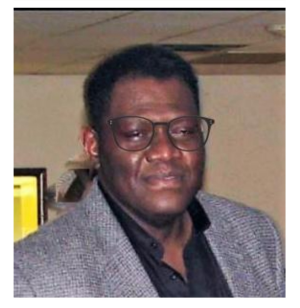
Rwanda’s public has been asked to trust the Rwanda Food and Drugs Authority with a mission that goes to the heart of everyday safety: ensuring products sold for consumption meet legal health and quality standards. Yet Prof. Émile Bienvenu, the authority’s Director General, is now among the suspects arrested in an investigation into the alleged production and distribution of non-compliant alcoholic beverages.
The allegation is profoundly disturbing—not because an arrest establishes guilt, but because it strikes at the relationship between citizens and the institutions built to protect them. Prof. Bienvenu and the other suspects must be presumed innocent unless a court determines otherwise; however, the investigation itself demands a transparent, independent, and uncompromising accounting of how unsafe alcohol was able to circulate.
A Breach of Public Trust
The Rwanda FDA is not just another government office. Its decisions can determine whether a drink, medicine, food product, or other regulated item reaches a family’s table. Its Director General, Prof. Bienvenu, has led the agency since August 2021—meaning the questions raised now are not peripheral; they go directly to the integrity of the regulatory system.
This is the unbearable contradiction: citizens rely on regulators precisely because ordinary people cannot inspect a factory, test a bottle, trace ingredients, or verify a licence. They depend on public institutions to do that work honestly, rigorously, and without fear or favor.
When the people empowered to police safety are allegedly linked to failures in that same system, public confidence does not merely weaken—it is shattered. The question is no longer only who manufactured the unsafe products. It is who allowed them into the market, who failed to intervene, and whether the public’s safety was treated as less important than influence, profit, or bureaucratic convenience.
Rwanda’s crackdown has already forced the closure of more than 100 alcohol-production facilities over alleged safety and compliance failures. Reporting on the crisis has also cited serious health consequences associated with illicit alcohol, including hospital treatment, deaths, and vision loss—evidence that this is a public-health emergency, not a routine licensing dispute.
Every unsafe bottle represents more than a regulatory lapse. It represents a consumer who had no reason to suspect danger, a family that believed the market was being monitored, and a citizen who assumed government safeguards meant something.
Authorities must now establish, publicly and credibly, whether incompetence, neglect, inadequate systems, or deliberate wrongdoing caused regulatory failures. If misconduct is proven, those responsible—regardless of rank—must face consequences equal to the harm their failures enabled.
This investigation must not shift blame to junior employees, manufacturers, or local officials while senior decision-makers remain behind titles. The arrest of Prof. Émile Bienvenu and other officials shows that scrutiny has reached into the institutions charged with enforcing the rules.
That scrutiny must remain evidence-based and fair. But fairness is not silence, and due process is not impunity. Rwanda’s citizens deserve full disclosure of inspection records, licences issued or renewed, enforcement decisions delayed, warnings ignored, and any conflicts of interest uncovered by investigators.
The message must be unmistakable: public office is not a shield from accountability. It is a higher obligation to protect the people who place their trust in it.
—arrested include Rwanda FDA Director General, Prof. Émile Bienvenu, along with 17 other people on August 13, 2026, in an investigation into allegedly substandard or unsafe alcoholic beverages.
Footnote: Prime example for the authorities in Sierra Leone: public institutions exist to protect citizens—not to expose them to harm. Rwanda’s unfolding alcohol-safety investigation should be a warning that regulators, licensing bodies, and public-health officials must be held to the highest standard of accountability.
YAME Digital