When Appearances Deceive: Beauty, Business and the €225 Million Cocaine Case
A major cocaine seizure in France, unanswered questions in Ghana, and the need to distinguish public speculation from facts established by investigators and the courts.
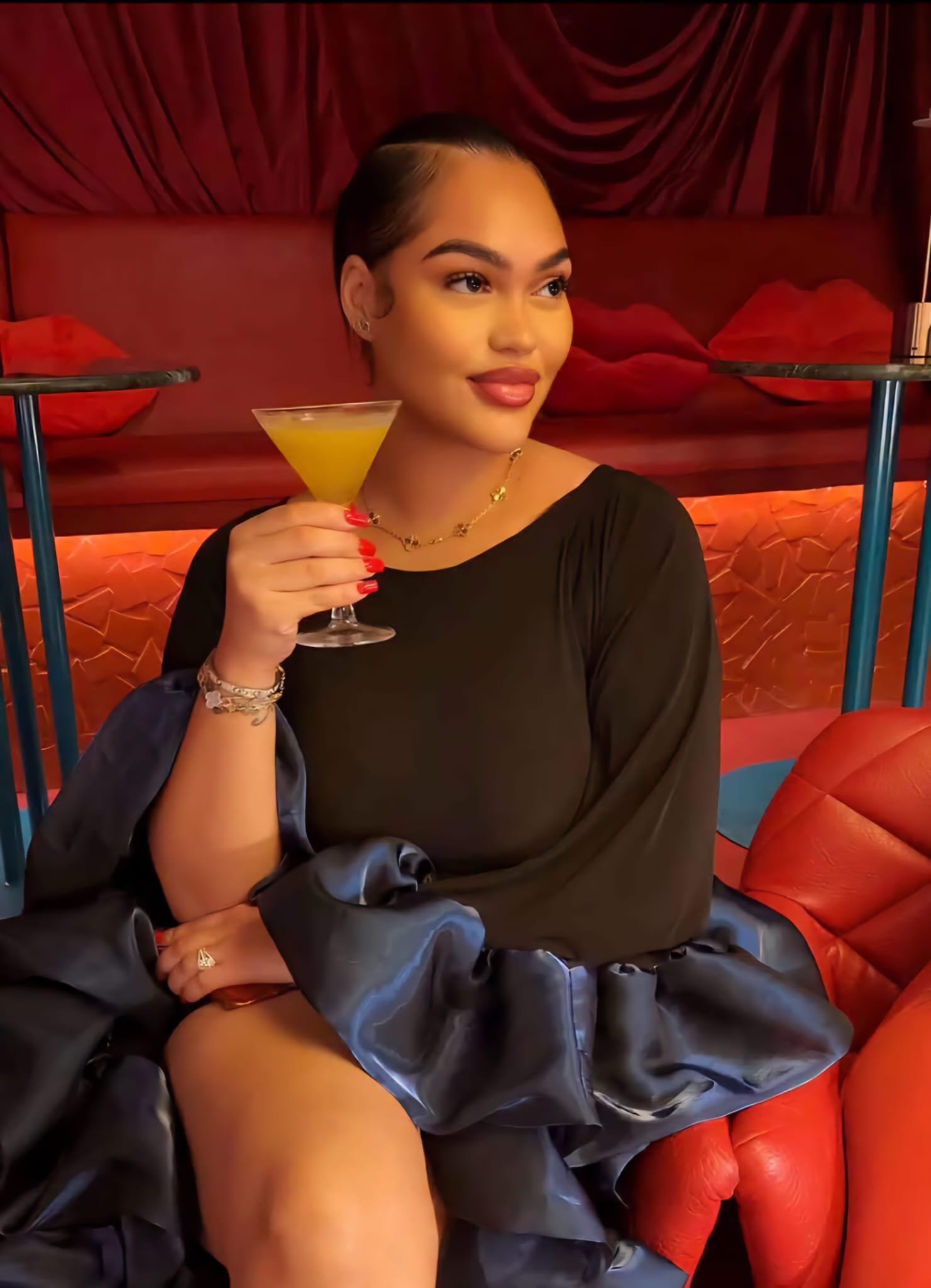
Reported Eurospa Spa and Salon owner, Jessica Hartog, among four charged in Ghana–France cocaine shipment case.
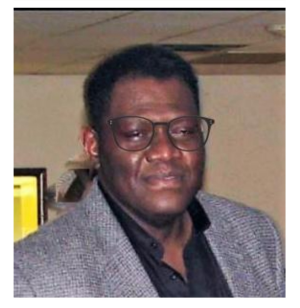
Ghana’s Narcotics Control Commission, NACOC, announced arrests connected to its investigation on September 14. Two days later, on September 16, four individuals, Jessica Hartog, Desmond Koranteng Curiel, Musah Attah, and Kweku Otchere, were arraigned before the High Court in Accra.
They face accusations of conspiracy and the alleged unlawful exportation of narcotics without the required licence. The accused were remanded and are scheduled to return to court on October 13, 2026. These remain allegations, and the legal process will determine individual responsibility.
The case follows the interception of nearly 3.9 tonnes of cocaine at Dunkirk, France. The shipment, reportedly concealed in a container originating from Ghana, was valued at approximately €225 million.
Beyond the identities of those charged, the case raises broader questions about the systems intended to protect Ghana’s ports and borders. Investigators will need to determine how the cargo was processed, who handled the documentation and logistics, and whether any failures or possible collaboration occurred within the chain of custody.
It is also a reminder to the public: visible success, wealth, or popularity should not automatically attract envy, just as an accusation should not be treated as proof of guilt. The facts must be established through evidence, investigation, and the courts, not through social media commentary, rumors, or assumptions.
For now, the central issue is accountability: how such a large shipment allegedly left Ghana, who may have enabled it, and whether the institutions responsible for oversight worked as they should have.