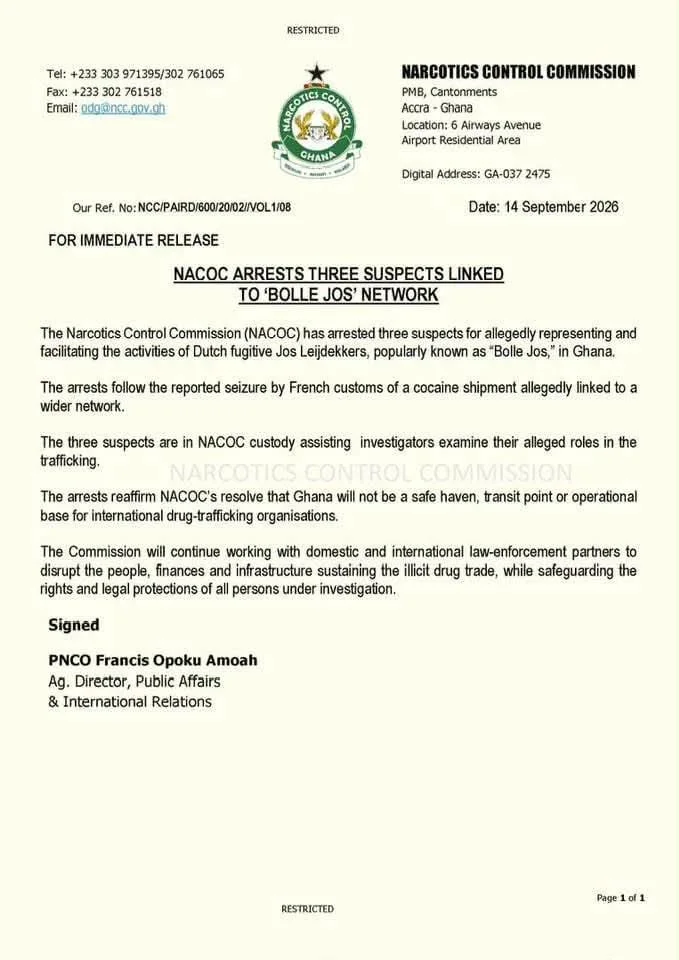
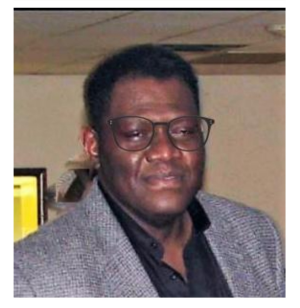
French Customs Seize Multi-Ton Cocaine Shipment Reportedly Linked to ‘Bolle Jos’
Reporting based on accounts published by the NL Times and Belgian media. Allegations concerning ownership or criminal responsibility remain subject to investigation and judicial proceedings.
DUNKIRK, France — French customs authorities have intercepted a major cocaine shipment aboard a cargo vessel traveling from Ghana toward Antwerp, according to reporting by NL Times. The seizure reportedly involved several thousand kilograms of cocaine and is believed by investigators to be connected in part to the organization of fugitive Dutch drug trafficker Jos Leijdekkers, widely known as “Bolle Jos.”
The shipment was intercepted Sunday night at the port of Dunkirk in northern France. The vessel was reportedly making its final stop before continuing to Antwerp, Belgium, one of Europe’s major maritime gateways and a longstanding hub in investigations into cocaine trafficking.
Dutch and French investigative authorities reportedly shared intelligence about the cargo before the customs inspection. According to the available reporting, the cocaine had been concealed aboard the vessel and was destined for a business address in Dordrecht, in the Netherlands.
Although investigators suspect that part of the shipment belonged to Leijdekkers’s network, authorities have not publicly established that he personally owned or directed the entire cargo. The reported connection therefore remains an investigative allegation rather than a final judicial finding.
The precise amount of cocaine seized has not been publicly disclosed. Reports describe the shipment as weighing “many thousands of kilograms,” while Dutch and Belgian media have characterized its potential value as reaching tens of millions of euros. Without an official weight or customs valuation, the exact street value cannot yet be independently verified.
A Fugitive With a Major Network
Leijdekkers is one of the Netherlands’ most wanted criminal suspects. He has been convicted in absentia in the Netherlands and Belgium in cases involving cocaine trafficking and related criminal activity. The NL Times reported that a Rotterdam court sentenced him to 24 years in prison for involvement in six cocaine shipments totaling nearly 7,000 kilograms.
Investigators have also linked Leijdekkers to a broader West African trafficking network. He is believed to have been living in Sierra Leone, where Dutch authorities have sought his extradition. Earlier reports have described him as a central figure in large-scale cocaine operations moving drugs from West Africa into European ports.
The latest seizure follows other major cocaine investigations involving suspected members or associates of Leijdekkers’s network. Those cases have increased scrutiny of the maritime routes connecting West Africa with ports in Belgium, the Netherlands and France.
The seizure demonstrates the continued use of commercial shipping routes to move cocaine from West Africa into Europe.
“Narcotics Control Commission (NACOC), Accra, Ghana.”