You cannot ask people to applaud development they cannot see, eat, drink, or use. Under SLPP leadership, the photo opportunities keep coming. Citizens are still waiting for relief to arrive.
When survival consumes the whole day, people deserve more than updates on where their leaders have arrived. There is nothing inherently wrong with official engagements. The problem begins when visibility is offered as a substitute for usefulness. Citizens should not have to read a leader’s travel diary to find out whether their own lives are improving.
Citizens can understand that governing is difficult. They can understand inherited problems, limited resources, and pressures beyond national borders. What they should not be expected to accept is an endless explanation of why their lives must remain difficult.
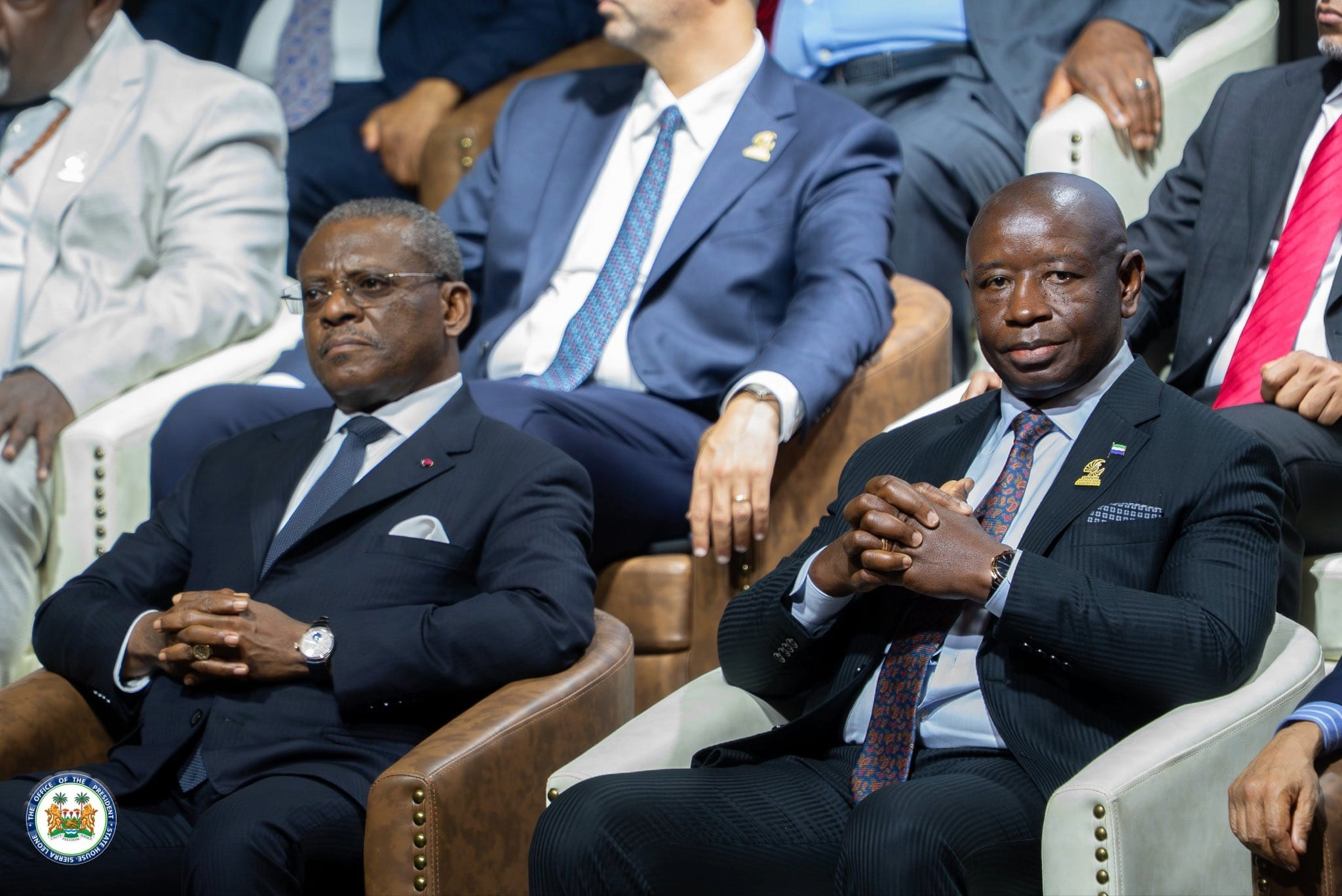
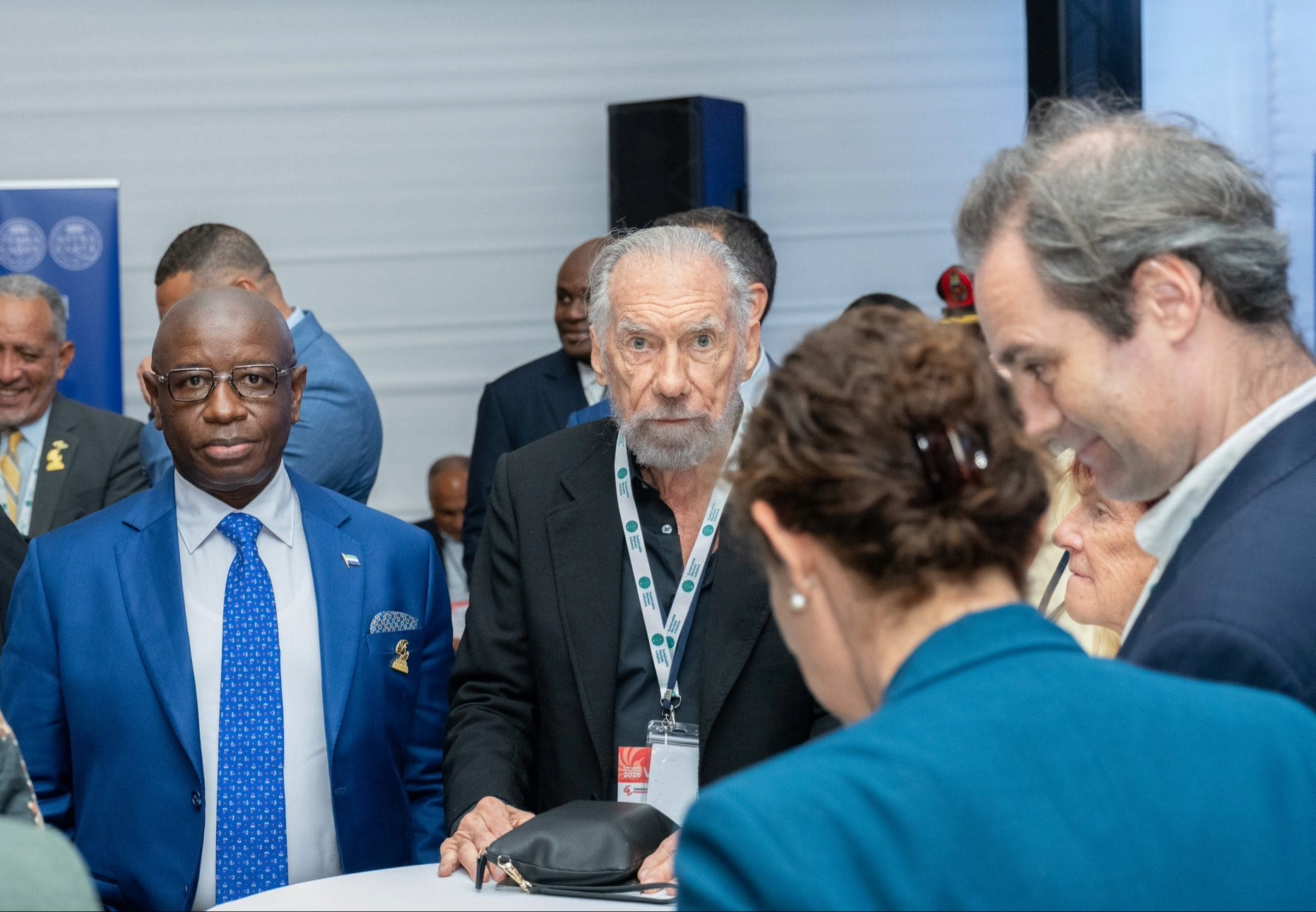
Development must eventually enter the kitchen. It must reach the tap, keep the lights on, make the journey to work bearable, and give young people something better to look forward to than another day of survival. Otherwise, “transformation” becomes a beautifully printed invitation to a dinner at which the public is never served.
Hardship Is Not Merely an Opposition Talking Point
According to a World Bank report, 1.3 million people are experiencing crisis-level food insecurity. The country’s national energy compact acknowledges that electricity demand exceeds supply, particularly during the dry season, resulting in severe load shedding. These are not mere inconveniences that can be resolved with a patriotic hashtag. They are harsh realities felt in people’s stomachs, businesses, and homes. Yet the political message often seems to call for patience, positivity, and a focus on the bigger picture—seven years and counting. Apparently, the electricity may be intermittent, but the publicity must never go off.
Economic Anxiety: The Bill That Always Arrives
A serious government should recognise the difference between discussing the cost of living and being trapped inside it.
Consider an illustrative household budget: a monthly salary of NLe 1,500 and a bag of rice costing NLe 730. One bag consumes almost half the salary. Buy two, and NLe 1,460 is gone, leaving just NLe 40. At a fuel price of NLe 45 per litre, that balance cannot buy even one litre.
That is before rent. Before transport. Before medicine. Before cooking fuel, and before buying the ingredients needed to turn that rice into a meal. The salary has almost disappeared, yet the household’s needs have barely been addressed.
Sierra Leone’s national minimum wage is Le 1,200 per month, about $53 USD, as of April 2026. For many people, it barely covers basic needs.
A budget cannot be balanced by determination alone when necessities cost more than the income available to buy them. People cannot economise their way out of every shortfall. Sometimes there is simply nothing left to cut except another basic need.
Now picture the bitter irony: you scrape together NLe 100 every week for data, then find money for generator fuel just to keep your phone charged. Finally, you log in—not to demand better, but to passionately defend the very system you believe is draining you.
That is next-level stupidity—the kind a satirist might insist must come with a place on the payroll.
That is satire, not proof that every government defender receives a salary. Some people supply their excuses free of charge. If irony were fuel, at least your phone would stay charged.
But beneath the joke is a painful question: why should political loyalty require people to minimise their own suffering?
You can support a party and still demand affordable food. You can vote for a president and still question his government’s priorities. A ballot is not a lifetime contract to defend disappointing results.
The current SLPP administration should be judged on what it does with the authority it holds, not merely on how convincingly it describes the failures it inherited years ago.
When survival consumes the whole day, hardship eventually stops being a political argument and becomes a private question whispered in the dark: How much longer can I live like this?
That question is not proof that life has no value. It is a warning that the conditions surrounding people have become unbearable. People experiencing such despair deserve support, relief, and reasons to hope—not another lecture about patience or another social media update.
No government should become comfortable with citizens waking up already defeated by the arithmetic of the day.
Kush: Where the Laughter Must Stop
Then there is kush, and here the laughter should stop.
The government has not done absolutely nothing. Under the Maada Bio administration, Sierra Leone declared a public health emergency in April 2024 and established a national task force. But a September 2026 review found that prevention, treatment, and workforce development remained critically under-resourced. Announcing a response and providing an adequate response are not the same achievement.
Parents have their share of responsibility, no doubt. But who is supplying these drugs? Who is financing their distribution? And what are drug enforcement authorities doing to stop the flow?
Parents must watch their children. Authorities must do more than watch the drugs reach them.
A parent can set rules at home. A parent cannot be expected to dismantle a trafficking network, investigate suppliers, police distribution routes, and provide treatment services. That is where public authority must become something more useful than a title.
What supply networks have been disrupted? Which cases have reached court? Where can families obtain affordable treatment? What support exists after rehabilitation, when a young person returns to the same pressures?
A generation should not have to disappear before its protection becomes urgent.
“I’ve arrived at this event.” Has help arrived anywhere?
“Glad to meet so-and-so.”
“Honored to participate.”
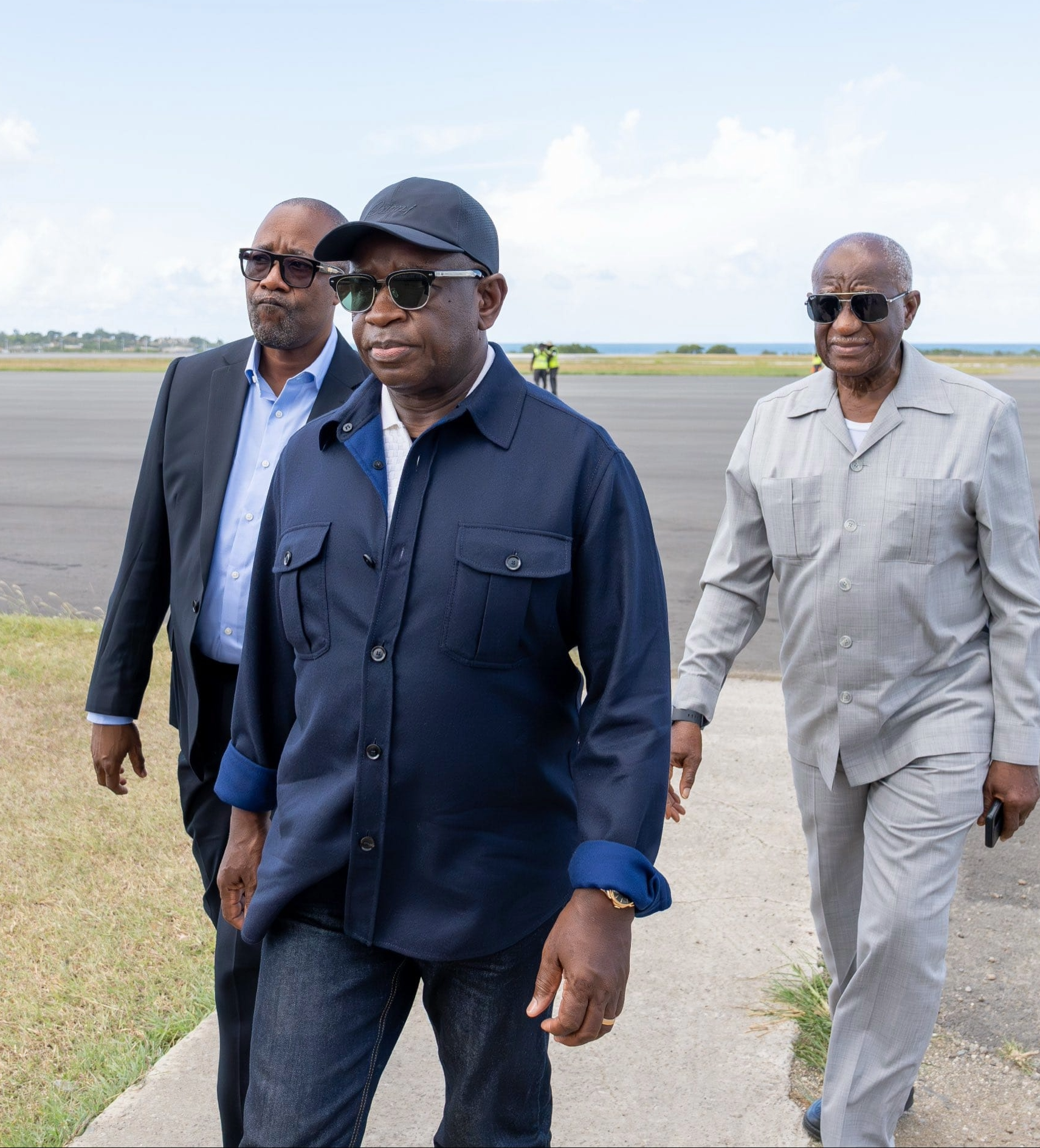
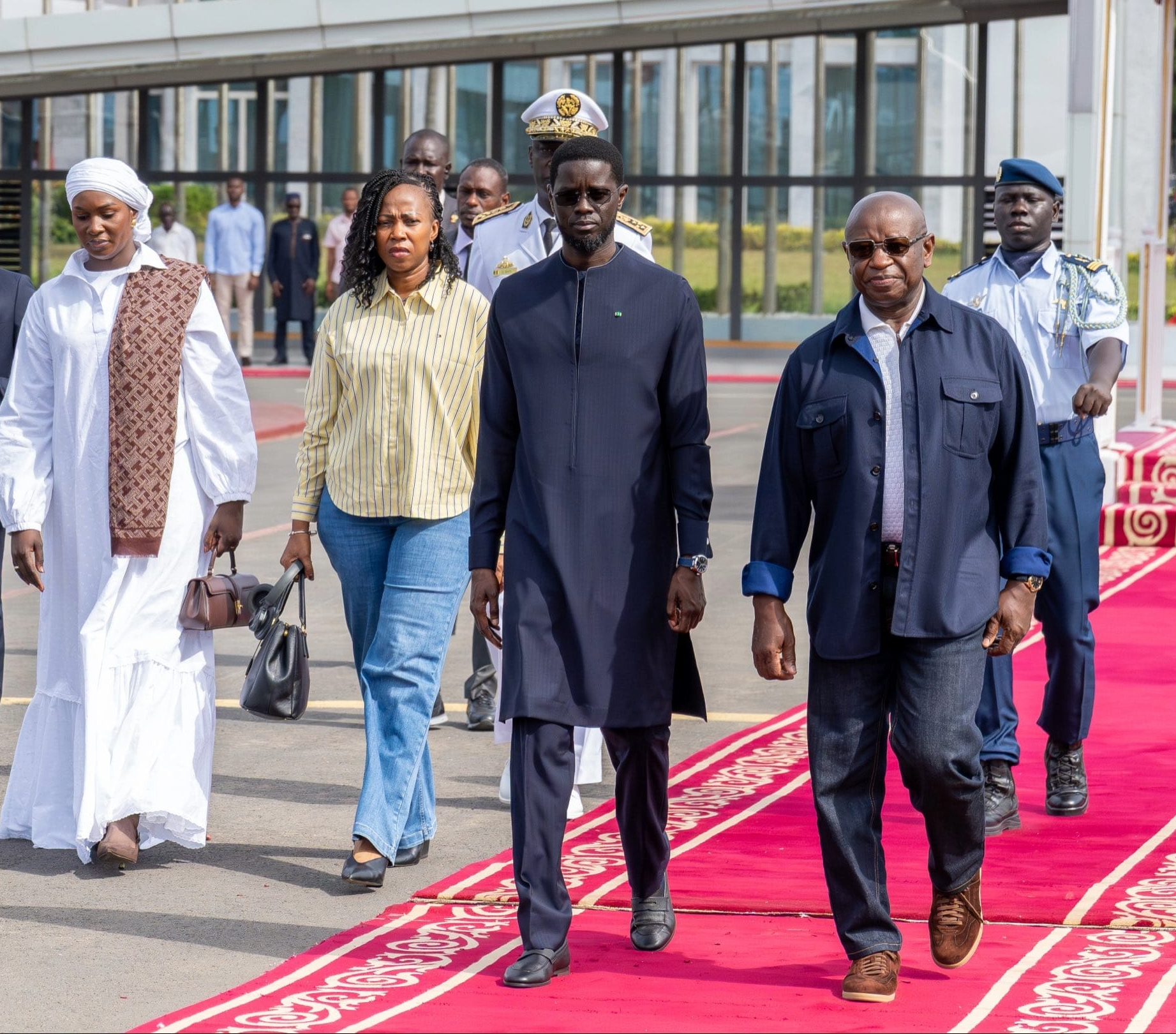
These updates capture the absurdity of publicity-first leadership: officials reporting their movements while citizens wait for movement in their own lives.
An arrival is not an achievement. A handshake is not a household income. A photograph beside another important person does not make an ordinary person’s life less difficult.
By all means, attend the meeting. Shake the hand. Take the picture. Then explain what changed.
Which community received reliable water? Which business gained dependable electricity? Which family found treatment for a child? Which household can now afford what it could not afford before?
Public communication should make government easier to scrutinise, not merely easier to admire. Criticism is not the enemy. Complacency is.
A government that cannot tolerate criticism is not progressive. Progress requires the willingness to listen, the humility to admit mistakes, and the courage to correct them. You cannot claim to be moving a nation forward while treating every uncomfortable question as an attempt to drag it backwards.
For the current SLPP administration, the test should not be how enthusiastically supporters applaud, but how seriously it engages with citizens who say its policies are not improving their lives.
The response to “We are suffering” should be:
“Here is what we are doing, here is the timetable, and here is how you can hold us accountable.”
Not:
“You must be against us.”
Criticism is not sabotage. Asking where public money went is not disloyalty. Demanding food security, dependable electricity, safe water, and effective drug enforcement is not an opposition conspiracy. These are legitimate expectations of government.
A citizen should not need a party membership card to be heard or be branded an enemy for refusing to clap.
Yes, criticism should be accurate. Allegations require evidence, and disagreement does not excuse threats or abuse. But those standards must not become convenient excuses for dismissing scrutiny. Leaders can challenge a false claim without treating the right to question them as the offence.
Accountability means answering the substance of a complaint rather than attacking the person making it. If an administration wants praise for progress, it must accept scrutiny of its performance. It cannot demand the privileges of leadership while resenting the obligations.
To govern is to answer, not merely to announce.
Do Not Confuse Exhaustion with Consent
An administration takes people for granted when it expects them to keep adjusting to conditions that leadership should be working urgently to improve.
It takes them for granted when every complaint becomes a test of patriotism.
It takes them for granted when sacrifice is demanded from below while accountability remains negotiable above.
And it takes them for granted whenever an explanation of hardship is presented as though it were relief from hardship.
An explanation is necessary. It is not a meal. It is not medicine. It is not a dependable public service.
The presidency is not a prize the public must spend years congratulating someone for winning. It is a job with obligations to the people living under its decisions.
Nor should citizens have to surrender their right to complain before their concerns receive attention.
The mother asking for affordable food is not undermining the country.
The young person demanding work is not an enemy of development.
The citizen questioning spending priorities is not obliged to soften the question because it embarrasses someone powerful.
The nation belongs to its citizens, not to the administration temporarily entrusted with governing it.
And supporters should remember that loyalty need not mean defending every failure. Sometimes the most useful thing a supporter can say is: This is not good enough. Fix it.
The Reality Check: What Kind of Legacy Are You Leaving?
To the current SLPP leadership: do not mistake people’s ability to survive for evidence that they are being served. Do not mistake silence for satisfaction. People may be exhausted, occupied with survival, or unconvinced that speaking will change anything.
Citizens do not owe an administration applause merely because they have endured another day. They deserve a government determined to make endurance less necessary and a dignified life more attainable.
“I have arrived” is a travel update. It is not a national development plan.
Theo Edwards for YAME Digital