A Shared Commitment to English Proficiency and WASSCE Success
In Part One of this four-part series, we examined how ‘Weak Foundations Follow Children Through School.’ [READ: Sierra Leone’s Education Crisis: A Collective Failure of Foundations, Leadership, and Accountability]. In Part Two, we turn to [A Shared Commitment to English Proficiency and WASSCE Success].
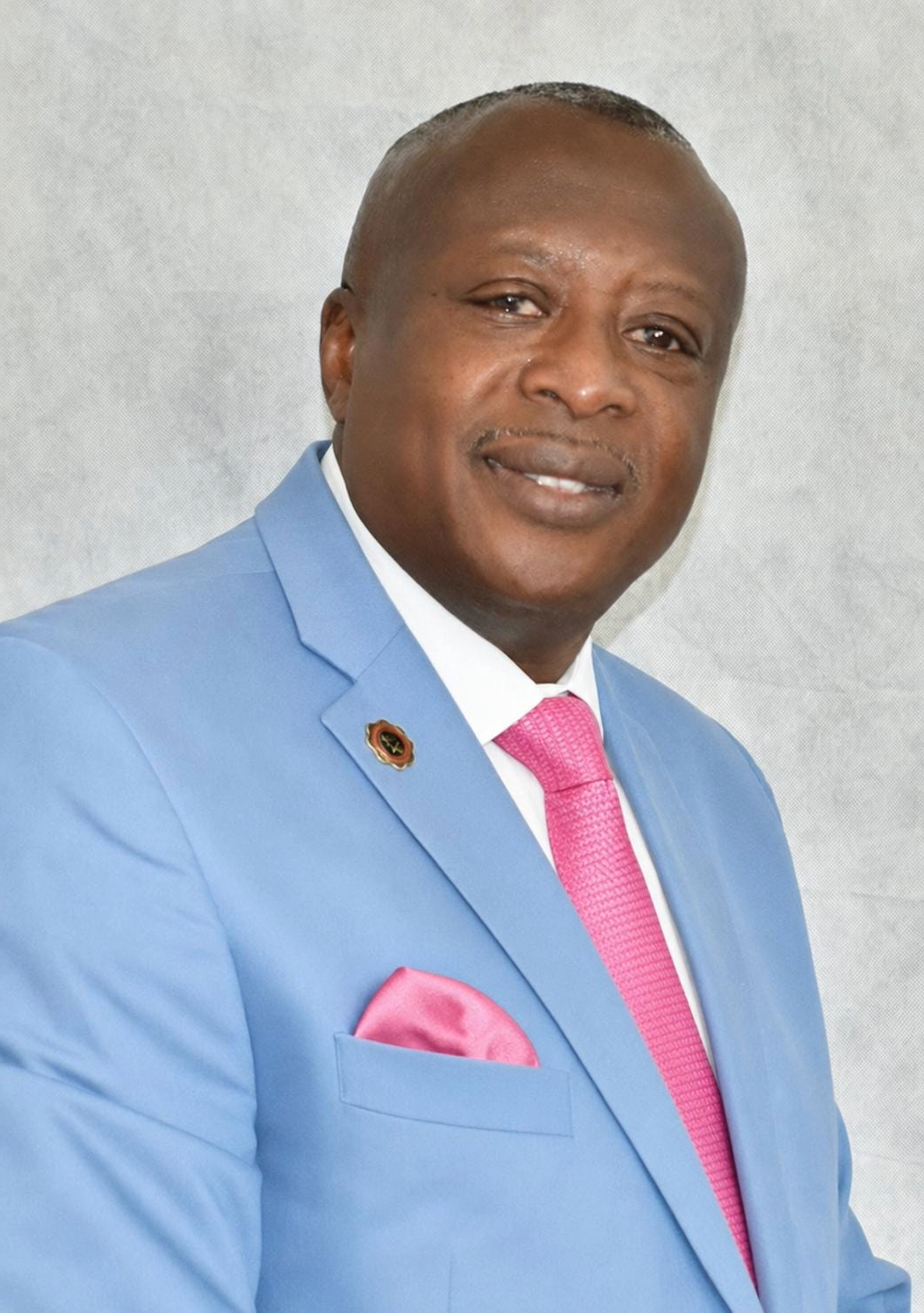
Part Two: By Prof. Dr. Prince Hycy Bull
Improving students’ performance in the West African Senior School Certificate Examination (WASSCE) English paper requires sustained attention to how children learn, how teachers teach, and how society supports language development. Preparation must begin in the early years and continue across subjects throughout a student’s education.
English proficiency develops through regular practice in reading, writing, speaking, and listening. Government, schools, and society must work together to ensure that students have meaningful opportunities to develop all four skills.
What Must the Government Do?
Establish a Teacher English Competency Test. The government should introduce an English competency assessment that all teachers must complete and pass. Because teachers explain concepts, give instructions, and assess learning through language, their English proficiency affects students across the Curriculum. The assessment should cover reading, writing, speaking, and listening, with professional development and reassessment opportunities for teachers who need additional support.
Train 1,000 English teachers to support schools across all 16 districts. A national training initiative should prepare a strong network of English teachers who can provide classroom instruction, mentor colleagues, demonstrate effective teaching methods, and support schools with persistent learning difficulties. Deployment should reflect student enrollment, teacher shortages, and the needs of underserved communities.
Provide full scholarships for prospective English teachers. Scholarships should attract capable candidates into English education and prepare them in both subject knowledge and teaching methods. Scholarship recipients could commit to a defined period of service in schools, helping the country build a sustainable supply of qualified English teachers.
Strengthen early childhood and primary education around the three Rs: Reading, Writing, and Arithmetic. Early childhood education should develop oral language, sound awareness, vocabulary, and early numeracy through age-appropriate activities. Primary education should build on these foundations to develop confident reading, clear writing, and mathematical competence. Teachers must identify learning difficulties early and provide support before students fall further behind.
Make listening comprehension an explicit Curriculum requirement: Students need structured opportunities to hear, understand, and respond to clear spoken English. Lessons should include stories, conversations, instructions, and informational recordings, followed by activities that assess understanding, vocabulary, and interpretation.
Offer additional compensation to qualified English teachers serving in rural areas. Rural incentives can help schools attract and retain teachers. Alongside additional pay, practical support such as housing, teaching materials, and professional development would strengthen teachers’ ability to serve these communities effectively.
Mandatory university and college English proficiency examination: If a WASSCE English Language examination grade of 5 on the WASSCE is accepted as the minimum entry requirement to a college or university, on a scale where 1 is the highest grade, the WASSCE grade alone does not establish that students will possess the advanced English skills required upon graduation. The government should require all university and college students, regardless of discipline, to pass a standardized English proficiency examination before graduating. The examination should assess academic and professional writing, reading comprehension, listening, and oral communication. Institutions should provide compulsory English courses and targeted support to help students meet the required standard. This requirement would help ensure that graduates across all professions enter the workplace with the English language skills needed to communicate clearly and effectively.
What Must Schools Do?
Ensure that teachers demonstrate English competence: School leaders should support teachers in meeting the national competency standard and applying those skills in their classrooms. Students benefit when teachers consistently model clear speech, accurate writing, and effective communication.
Teach reading and writing across the Curriculum: English development is a shared responsibility. Science teachers should help students explain observations clearly; mathematics teachers should teach students to interpret word problems; and social studies teachers should guide students in constructing coherent arguments. Every subject provides opportunities to strengthen vocabulary, comprehension, and written expression.
Protect time for foundational learning: Schools must ensure that students receive consistent instruction in reading, writing, and arithmetic. Regular assessment should identify students who need help, followed by targeted instruction and progress monitoring. Students should advance with the skills needed to succeed at the next level.
Provide structured listening practice at least three times a week: Schools should expose students to suitable English audio or video materials, including news reports, educational discussions, speeches, and storytelling. Each session should include a purposeful task, such as summarizing the main idea, answering questions, identifying supporting details, or discussing unfamiliar vocabulary. Schools without reliable electricity or internet access can use radio broadcasts, downloaded recordings, or teacher read-alouds.
Schools should also create opportunities for students to use English through reading clubs, debates, drama, presentations, and school publications. Such activities help students build confidence and apply what they learn in class.
What Must Society Do?
Expand access to English-language media: Radio and television stations should increase the availability of accessible, high-quality English programming, particularly educational content for children and young people. News, interviews, storytelling, and discussion programs can provide valuable opportunities to hear English used in different contexts.
Krio and Sierra Leone’s indigenous languages remain essential to identity, culture, and public communication. Broadening access to English programming can complement these languages while supporting students’ academic development.
Promote Reading Access through Community and School Libraries across Sierra Leone: Communities can establish sustainable school and community libraries through partnerships among schools, parents, traditional leaders, local councils, businesses, diaspora groups, religious organizations, and development organizations. Using existing classrooms or community spaces, they can begin with modest collections of relevant, age-appropriate books, including Sierra Leonean literature and local-language materials. Regular reading sessions, borrowing programs, storytelling, homework clubs, and adult literacy activities should make these libraries active learning centers. Start with manageable pilot projects and track participation and reading progress to support gradual expansion into underserved communities nationwide.
Strengthen professional English communication in government offices: The government should establish clear guidelines for effective spoken and written English in official business. Staff development should support clear correspondence, reports, presentations, and public information. Public services must also remain accessible to citizens who communicate more comfortably in Krio or other Sierra Leonean languages.
Families and community organizations also have a role: Families, religious organizations, and communities should encourage reading, discussing books and broadcasts, and giving children supportive opportunities to practice English, which can reinforce what schools teach.
From Recommendations to Measurable Progress
These proposals represent a few of the many short- and long-term strategies; at best, they require a coordinated implementation plan, adequate resources, and clear accountability. Progress should be tracked through teacher competency, student literacy assessments, access to qualified teachers, and WASSCE English results.
Improving examination performance begins with improving everyday teaching and learning. When students receive strong foundations, learn from competent teachers, and regularly practice reading, writing, speaking, and listening, they are better prepared for examinations, further education, and the demands of professional life.
Next in this four-part series: Part Three—[title or topic].