In education, the early years are foundational. Children who do not develop basic literacy, numeracy, comprehension, and critical-thinking skills in primary school often struggle with the increasingly demanding secondary-school curriculum.
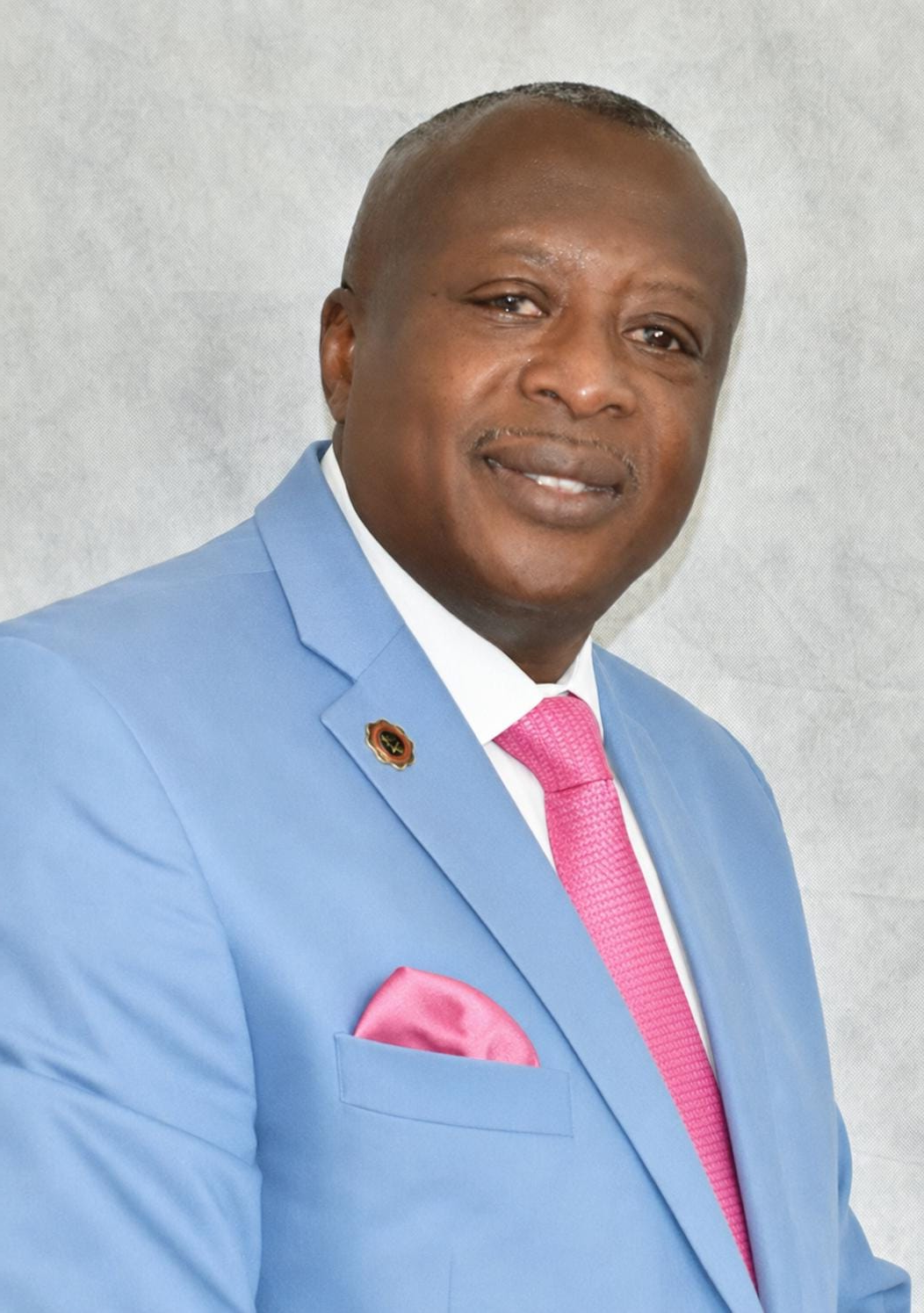
By Prof. Dr. Prince Hycy Bull, Dean, College of Education, USA
My fellow Sierra Leoneans, I readily acknowledge that our education system falls far below the standards our children deserve. However, it is hypocritical for members of the All People’s Congress (APC) to condemn its failures without acknowledging their own Party’s role in shaping the system. Any credible discussion of our education crisis must examine its historical roots, the foundations of children’s learning, and the responsibilities of successive governments.
The education of students who sat the 2026 West African Senior School Certificate Examination (WASSCE) spans different political administrations. Their experiences cannot be attributed to a single government. Their learning reflects years of classroom instruction, school leadership, public investment, family support, and policy decisions.
For the students who sat for the 2026 WASSCE examination, President Ernest Bai Koroma's administration had a responsibility to strengthen their early childhood and primary education. President Julius Maada Bio’s administration inherited those foundations and assumed responsibility for identifying weaknesses, addressing learning gaps, and improving outcomes. Each administration must account for the decisions it made and the opportunities it failed to use.
The APC must account for the foundations it helped shape. The SLPP must account for the outcomes delivered under its leadership.
Weak Foundations Follow Children Through School
In education, the early years are foundational. Children who do not develop basic literacy, numeracy, comprehension, and critical-thinking skills in primary school often struggle with the increasingly demanding secondary-school curriculum.
A child who cannot construct a complete sentence at age 10 needs timely, sustained support. Promotion to the next class does not resolve that difficulty. When learning gaps remain unaddressed, they accumulate, making each successive stage of education more challenging.
We must therefore examine WASSCE performance as the culmination of a child’s educational journey. The 2026 WASSCE examination at the end of secondary school reveals weaknesses in early childhood and primary education under the Ernest Bai Koroma government.
Let me be clear: the SLPP government bears responsibility for education policy, implementation, and outcomes under its watch. Inherited deficiencies do not excuse a failure to intervene. Equally, accountability cannot begin only when a new government takes office and erases everything that preceded it.
Nor can we expect secondary-school teachers to compensate effortlessly for years of inadequate foundational learning. As a former teacher at the Government Technical Secondary School, Freetown, I understand the difficulty of teaching advanced content to students who have not mastered essential skills—particularly when teachers themselves lack sufficient resources, instructional materials, training, and professional support.
A System That Reproduces Its Weaknesses
An education system can become trapped in a cycle of underperformance. When teachers enter classrooms unprepared, receive limited professional development, and work without adequate support, students bear the consequences.
Those students may leave school with certificates but insufficient competence. Some eventually return to the system as teachers, administrators, or policymakers. Unless deliberate interventions interrupt this cycle, weaknesses pass from one generation to the next.
Breaking that cycle requires clear professional standards, effective teacher preparation, regular assessment of student learning, and targeted support when difficulties emerge. It also requires school leaders who take responsibility for what children learn.
The 2026 examination results before us should therefore prompt a broader national examination of our institutions, priorities, and values.
Students Learn from the Society Around Them
We cannot separate integrity in education from integrity in public life. When examination malpractice is tolerated, credentials are valued more than demonstrated ability, and credible allegations of academic dishonesty are dismissed without proper investigation, we weaken the standards we expect students to uphold.
What moral authority do adults possess to demand honesty from children if influence and political connections can shield adults from accountability? When shortcuts bring rewards, schools face an even greater challenge in teaching the value of effort, competence, and integrity.
Students see what society rewards. Our conduct must reinforce the principles we teach.
An education system should liberate minds, encourage independent thought, develop problem-solving abilities, and prepare citizens to contribute meaningfully to national development. We undermine that purpose whenever conformity, patronage, and the pursuit of certificates take precedence over learning.
Examination Integrity Must Serve Genuine Learning
This raises a fundamental question: What does it matter if an examination is free from malpractice, but students have not acquired the knowledge and skills it is intended to measure?
Examination integrity is essential. Students deserve fair assessment, and qualifications must be trustworthy. But preventing cheating alone does not improve instruction or make up for years of missed learning.
A credible assessment system must measure genuine competence. Its findings must also guide action: where students struggle, schools and government should investigate the causes and provide support.
A certificate should signify that its holder can read with understanding, communicate clearly, reason carefully, and apply relevant knowledge. Its value depends on the learning behind it.
Education Must Offer a Future Based on Merit. National Ambitions Require Educational Foundations
When young people believe that connections matter more than competence, education loses part of its promise. A degree should open opportunities for productive work, innovation, service, and further learning. Political affiliation should never replace ability.
We must build a society in which young people can expect their effort, knowledge, and integrity to count. That requires fair recruitment, transparent opportunities, credible qualifications, and institutions that uphold consistent standards.
Education is too important to remain an instrument of partisan competition. Political leaders have every right to scrutinize results and challenge policy. They also have a responsibility to present credible solutions and acknowledge their own records.
Sierra Leone’s ambitions in artificial intelligence, electric vehicles, renewable energy, and technological development demand serious educational preparation.
Students need strong literacy and numeracy to understand technical information. They need scientific knowledge to investigate problems, analytical skills to evaluate evidence, and creativity to develop solutions.
These capacities require competent teachers, strong early childhood and primary education, accountable school leadership, reliable assessments, investment in science and technology, and sustained support for students who fall behind.
They also require continuity. Essential educational reforms must survive changes in government because children’s learning cannot restart with every election.
A Shared Responsibility with Clear Accountability
Sierra Leone needs better WASSCE results—and an education system that produces competent, creative, ethical, and independent thinkers.
The APC must honestly examine its contribution to the system it now criticizes. The SLPP must prove what it has done to strengthen that system and address persistent weaknesses. School leaders, teachers, families, and communities must also fulfill their responsibilities.
Every political leader who speaks about education should be prepared to answer this question:
What have you done to ensure that a Sierra Leonean child can learn, think critically, compete fairly, and build a future based on merit rather than political connections?
Until we answer that question honestly and act on it consistently, our education crisis will remain a national failure shared across generations of leadership. Our children deserve accountability expressed through better teaching, stronger foundations, and real opportunities to succeed.
Editor’s note: This article is part of a four-part series. Coming next: Part 2—English Language Competency and 2026 WASSCE Results.