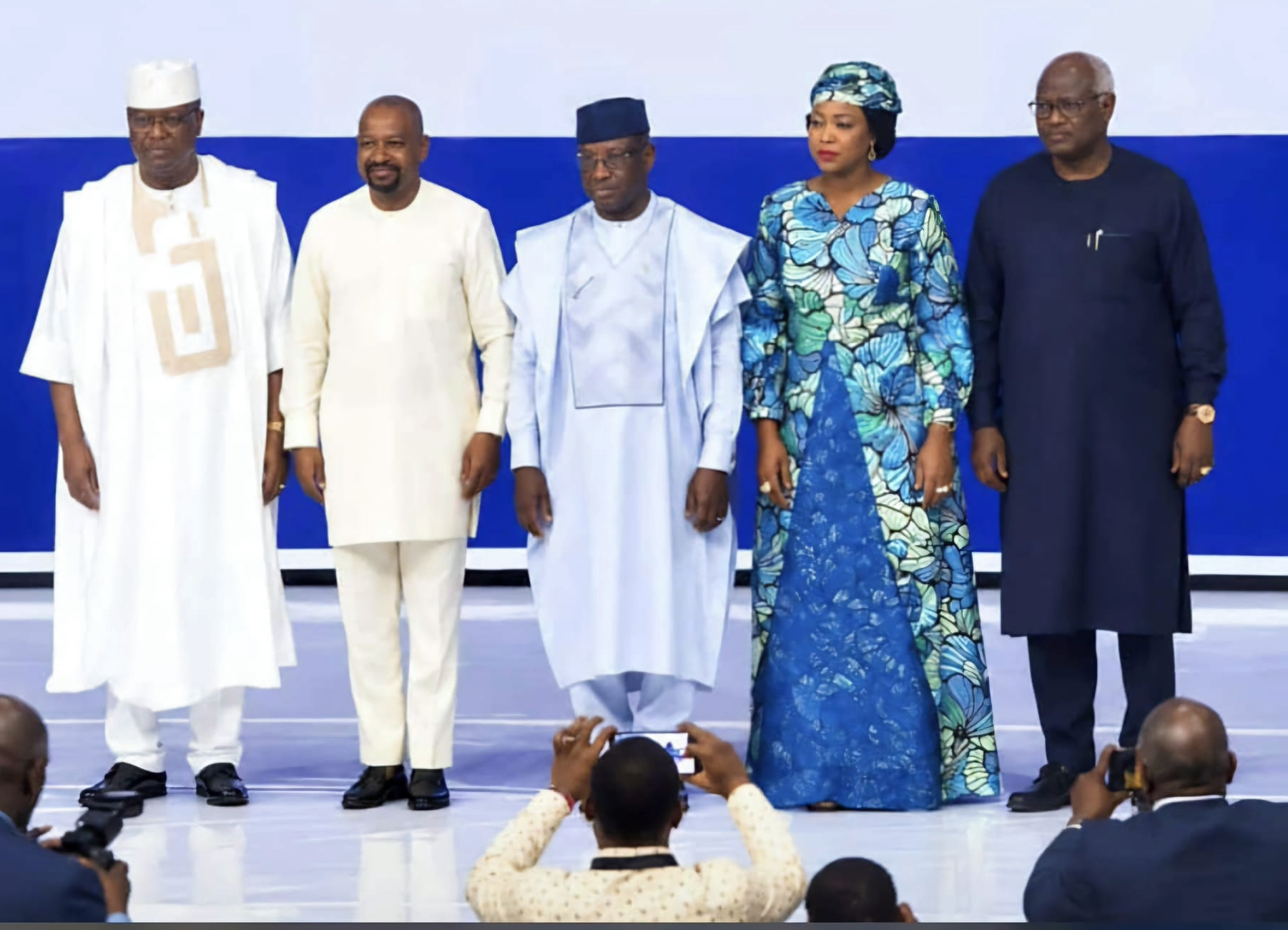
As President Bio delivers the keynote, politicians shake hands for the cameras, expecting ordinary Sierra Leoneans to celebrate the reconciliation of bruised egos. The audacity is staggering: create the quarrels, make the nation suffer, then expect applause for shaking hands while the people remain hungry, burdened by rent, and struggling to afford the barest necessities. Sierra Leone does not need another stage for swollen egos.
This is not an argument against peace. It is an argument against political hypocrisy dressed up as national healing.
The National Unity and Social Cohesion Conference, organized by the Independent Commission for Peace and National Cohesion, is scheduled for 26–27 October 2026 at the Bintumani Conference Centre in Freetown, Sierra Leone. But beyond its promise of unity lies a harder test: accountability and tangible relief for ordinary people. Without those, this peace conference risks becoming another spectacle of vanity at the podium and hardship at the doorstep, yet another stage for swollen egos.
Call it reconciliation. Call it national healing. Give it a grand title, line up the cameras. The question remains: what will change for the people outside?
A handshake between political rivals cannot buy a bar of soap. A keynote address cannot put dinner on the table. A photograph of smiling leaders cannot settle a household's bills as it struggles to survive.
Peace for whom? The nation is not an ego-management service for its political class.
Political leaders should not expect public applause merely for agreeing to speak to one another. Dialogue is part of their responsibility. Restraint is part of their responsibility. Putting the country ahead of personal grievance is the minimum standard of public office, not an extraordinary act of generosity.
Its people do not owe their leaders gratitude for finally behaving as public servants. The obligation runs in the other direction. A conference that repairs relationships at the top while leaving the public’s grievances untouched would confuse political convenience with national progress. Those are not the same thing.
Sierra Leone has had one too many reconciliations, and yet we are still sliding. When leaders speak of peace, they must explain whose peace they mean. Is it peace between rival political camps, or greater security and dignity for ordinary citizens? Is it relief from the anxieties of daily survival, or simply relief from the discomfort of political confrontation? Reconciliation among leaders can serve the public. But that value must be demonstrated, not assumed.
The real test comes after the speeches. Will decisions be explained? Will commitments be published? Will citizens be able to judge delivery? Will leaders accept scrutiny when the applause has faded?
Without those answers, “national unity” risks becoming an instruction to the public: stop asking difficult questions while those at the top settle their arrangements. That is not unity worthy of the name. Citizens can support peace without surrendering their right to challenge power.
Accountability is not an obstacle to reconciliation.
There is a convenient version of reconciliation in which everyone important is embraced, and nothing uncomfortable is examined.
It asks the public to move on without being told what will change. It treats scrutiny as hostility and criticism as an inconvenience. It offers the language of a fresh start without the discipline of accepting responsibility. That version deserves rejection.
Reconciliation should not become an escape route from accountability. A handshake must not serve as a substitute for an explanation. Nor should a declaration of unity become a shield against legitimate questions about leadership, public priorities and the use of resources. If leaders want trust, they must do more than ask for it. They must make their conduct worthy of it. Dissent must have a place in the promised peace. Any credible appeal for national cohesion must leave room for disagreement. Citizens should not have to flatter their leaders to be heard. Critics should not be treated as enemies simply because their words are uncomfortable. And calls for tolerance should apply beyond the conference hall, not merely among the dignitaries seated inside it. A leadership confident enough to preach reconciliation should be willing to face criticism.
Peace cannot mean comfort for those in office and silence for everyone else. A country is not united merely because its most powerful figures have stopped arguing in public.
The harder achievement is a political culture in which disagreement does not threaten a person’s dignity, belonging, or right to participate.
The organisers and political participants should be judged by a straightforward standard: what does this gathering deliver beyond the gathering itself? If the purpose is to rebuild trust, make leadership more answerable. If the purpose is social cohesion, listen to people beyond established political circles. If the purpose is national unity, demonstrate that the nation matters more than the reputations of those speaking in its name. The people are entitled to something more useful than another promise that this time will be different.
There is an unmistakable arrogance in expecting struggling citizens to celebrate the repaired relationships of powerful people as though those relationships were the country’s greatest unmet need. The public’s hardships cannot remain the backdrop against which politicians stage their importance. Citizens are not an audience assembled to applaud leadership. They are the people leadership exists to serve.
So let there be dialogue, but let it produce obligations. Let there be reconciliation, but not immunity from scrutiny. Let there be speeches, but let their promises survive the removal of the microphones. Above all, let there be enough humility to recognise that settling a political quarrel is not the same as solving a national problem. Until accountability and tangible relief follow, the public has every right to withhold its applause.
Fix the people’s problems, not merely the politicians’ relationships.
Theo Edwards for YAME Digital