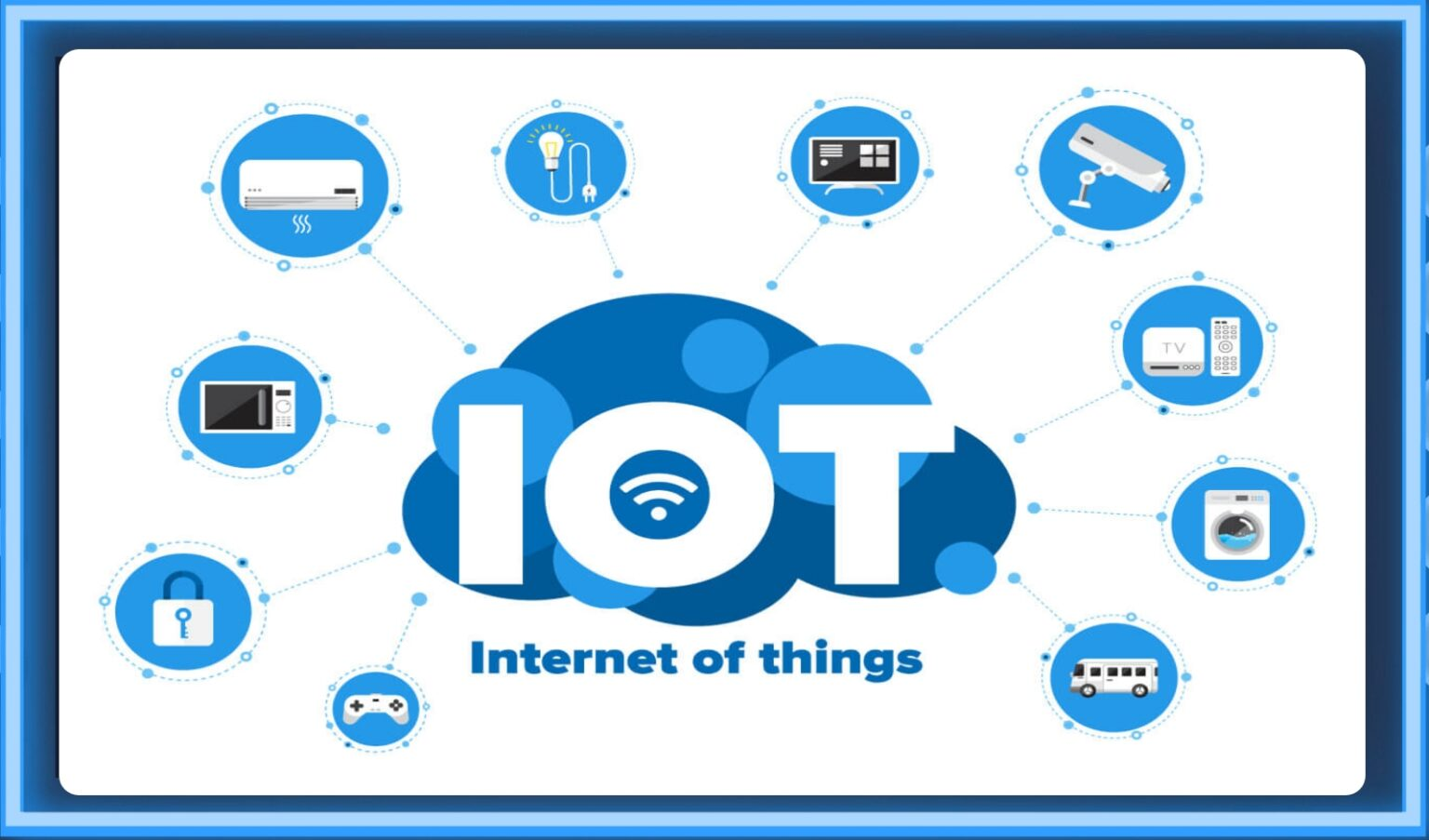
The IoT Age: When Everyday Devices Become Targets
Smart technology has made everyday life more convenient, but it has also created new openings for cybercriminals. The recent cyberattack on French supermarkets showed how hackers can remotely take control of connected refrigeration systems, raising temperatures, spoiling fresh and frozen food, and even triggering fires. What once seemed like a harmless “smart” device can become a serious risk when it is connected to the internet without strong security. This incident is a warning that the Internet of Things is not only about convenience. It is also about protecting the systems we depend on every day.
#Technology | #The Internet of Things (IoT)

Wi-Fi and Social Media Finally Gave the Village Idiot a Megaphone
Invasion of the Idiots: Umberto Eco Predicted the Apocalypse — It Just Logged In
For centuries, public discourse had filters. Newspapers had editors. Publishers relied on fact-checking. If you wanted to publish a medical claim, you needed proof. If you wanted to shape public opinion, you needed credibility. If you spread falsehoods, there were consequences.
Suddenly, anyone could reach millions. A teenager posting from a bedroom had the same platform as a seasoned academic. A conspiracy theorist could attract as much attention as a journalist who had spent months verifying facts. And the most extreme voices traveled fastest. Social media platforms do not reward accuracy. They reward engagement. Anger, fear, and absolute certainty spread better than nuance. A careful post explaining that an issue is complex and deserves thoughtful consideration rarely goes far.
We are living in the world he feared. The problem was never that foolish voices appeared. They were always present. The problem is that they are now amplified while expertise is dismissed.