Power in Motion: Nepal’s Flood
The recent major flash flooding in Nepal began on the morning of August 26, 2026, near the Nepal–Tibet/China border. Beginning at approximately 8:37 AM Nepal time, a glacier collapse and landslide unleashed water, mud, and debris through the region’s river valleys.
Rasuwa Valley, Nepal — A flood like this leaves the same feeling as war: life suddenly looks fragile and thin.
Flash flood struck Nepal near the Tibet–China border on the morning of August 26, 2026, local time in Nepal. Landslide unleashed water, mud, and debris through the region’s river valleys
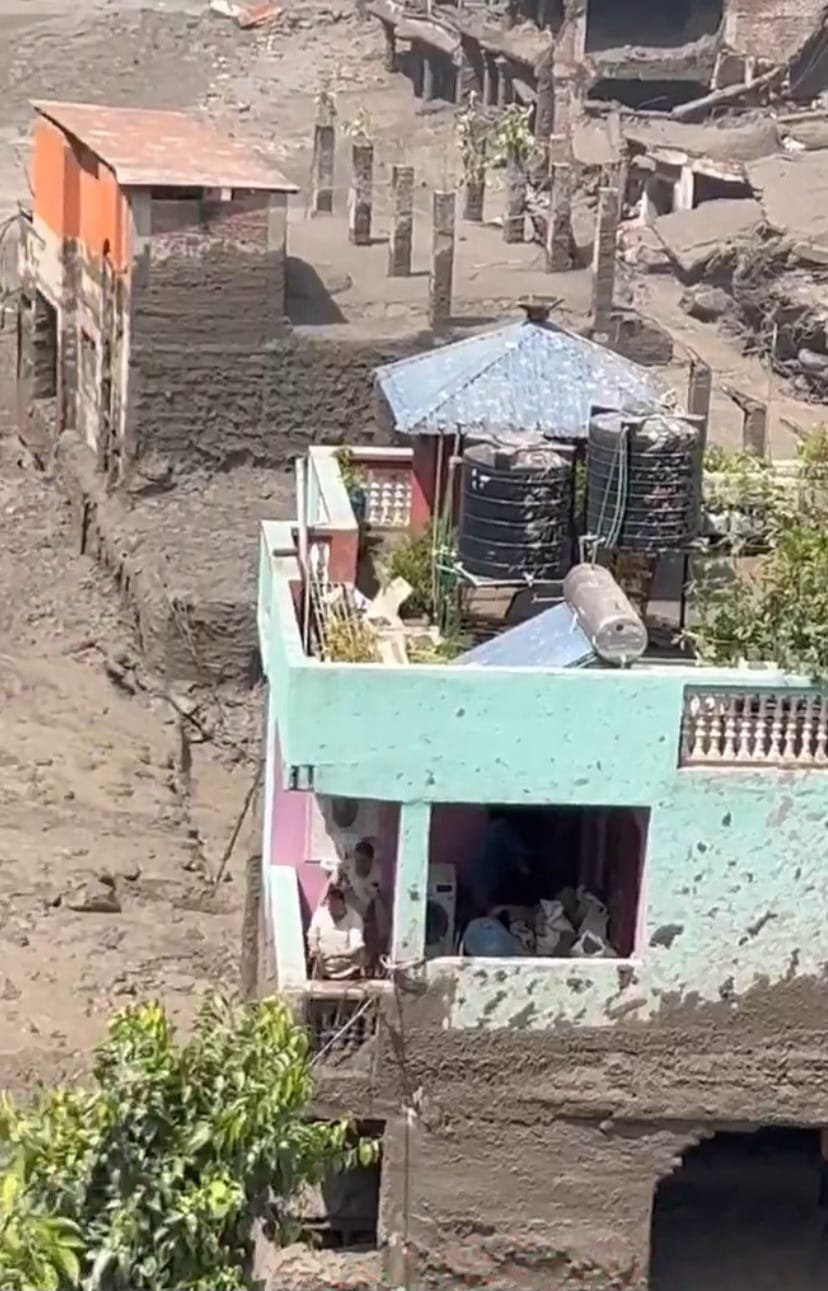
Across the valley, homes were swept away or crushed beneath mud and debris. Yet one house remained standing—seemingly by chance. The explanation of how this home survived the Nepal flood points to a remarkable architectural decision and strengthens the case that its architect deserves national recognition.
The flash flooding began on the morning of August 26, 2026, near the Nepal–Tibet/China border. At about 8:37 AM local time, a glacier collapse and landslide sent a destructive surge of water, mud, ice, and rock through the region’s river valleys.
What Actually Happened
Scientists and researchers linked the glacier’s collapse to permafrost thaw that destabilized the mountain—an effect increasingly associated with climate change in high-altitude regions.
Part of a glacier snout, at roughly 5,200 meters in elevation, collapsed and plunged about 1,200 meters to the valley floor. The impact generated a seismic signal that was initially mistaken for an earthquake.
New video shows the moments after a glacier collapse in the Himalaya triggered deadly floodwaters.
Credit
The ice-and-rock avalanche then dammed the Lhende Khola River, creating a temporary lake. When the dam burst, it unleashed a powerful wall of water, mud, ice, boulders, and sediment into the Bhotekoshi and Trishuli river systems. At one monitoring point, water levels rose by as much as nine meters in 30 minutes.
This was not an ordinary river flood. It was a fast-moving, debris-laden surge capable of reshaping the valley in real time.
Courtesy: Social Media
Unseen videos from Nepal reveal the terrifying speed and scale of the devastating floods, as surging water levels in the Bhotekoshi River trigger panic and force families to flee for their lives. Shocking footage shows children and women running amid rapidly rising floodwaters, highlighting the desperate struggle for survival. Nepal has warned of further danger as the combined death toll from the disaster continues to rise. [Note: To enlarge the video view, use the pinch gesture or tap the blue circle on the video player.]
The Human Cost
The disaster killed nearly 600 people and left thousands more missing across the Nepal–Tibet border region, making it one of the deadliest glacier-related disasters in the Himalayas in recent history.
What remains is the realization of how fragile life can seem when the ground begins to shift—and when a river does not merely flood, but rearranges an entire valley.
YAME Digital
RELATED
“How melting glaciers contributed to the flooding disaster in the Himalayas.”
Credit